
Invited Speakers
The Dros 2027 organizers have selected a lineup of speakers who are experts in Drosophila genetics with a commitment to training and mentorship of the next generation of scientists.

68th Annual Drosophila Research Conference
The Dros 2027 organizers have selected a lineup of speakers who are experts in Drosophila genetics with a commitment to training and mentorship of the next generation of scientists.
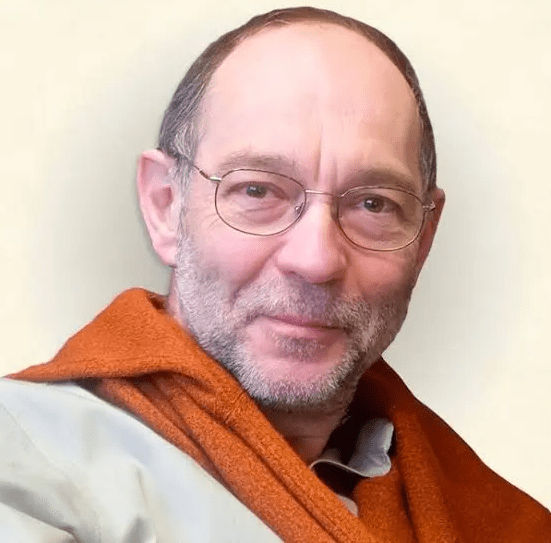
Norbert Perrimon
Keynote Speaker
Norbert Perrimon is the James Stillman Professor of Developmental Biology in the Department of Genetics at Harvard Medical School and an Investigator of the Howard Hughes Medical Institute. His laboratory has pioneered numerous experimental approaches for studying gene function in Drosophila and has made major contributions to our understanding of signal transduction, developmental biology, and physiology.
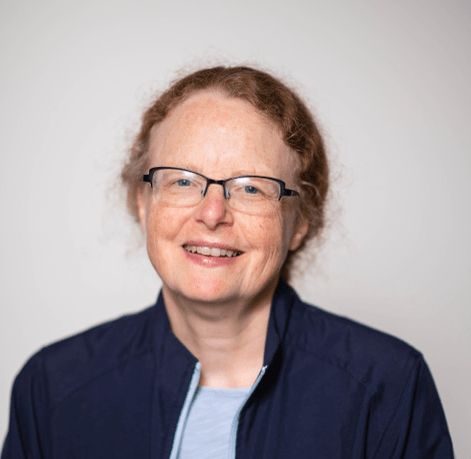
Vanessa Auld
Vanessa Auld is a professor at the University of British Columbia in the Department of Zoology and a member of the Life Sciences Institute. Her laboratory studies the most important cells of the nervous system, the glia. Her group investigates the cell-cell communications that underlie glial development in the peripheral nervous system and in particular how the glial sheath develops and is stabilized to ensure nervous system function. Her group has uncovered roles for glia-ECM, glia-glia and glia-axon communication through protein complexes that involve Innexins, Integrins, Syndecan and Dystroglycan and the scaffolding proteins that organize these important complexes. Overall, her research focuses on the molecular mechanisms underlying glial communication to create and maintain the glial sheath.
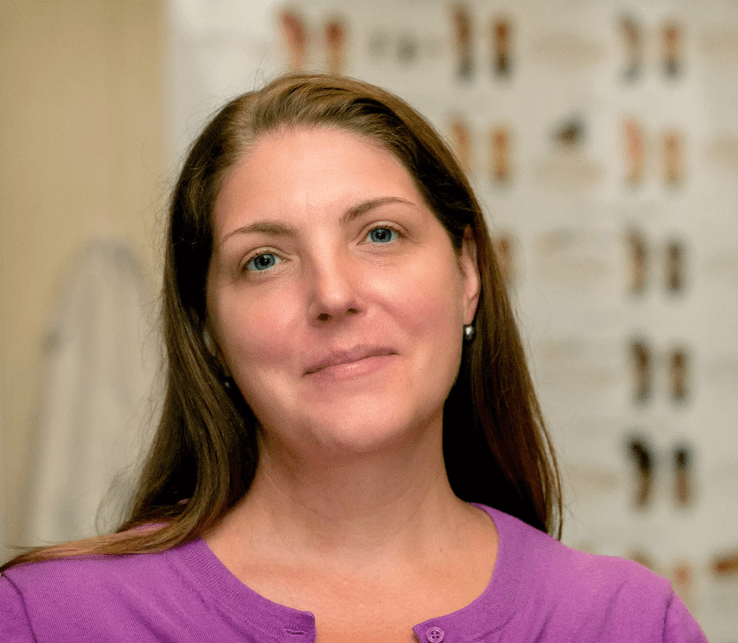
Nichole Broderick
Nichole Broderick is an assistant professor in the Department of Biology at Johns Hopkins University. Her lab studies the molecular basis of intestinal host-microbe interactions using Drosophila melanogaster. Their research has primarily examined how the microbiome influences various aspects of host physiology, as well as how diet mediates these effects. In addition, they use enteric pathogens that disrupt both intestinal and whole-organism homeostasis to decipher host mechanisms that restore homeostasis or lead to death.
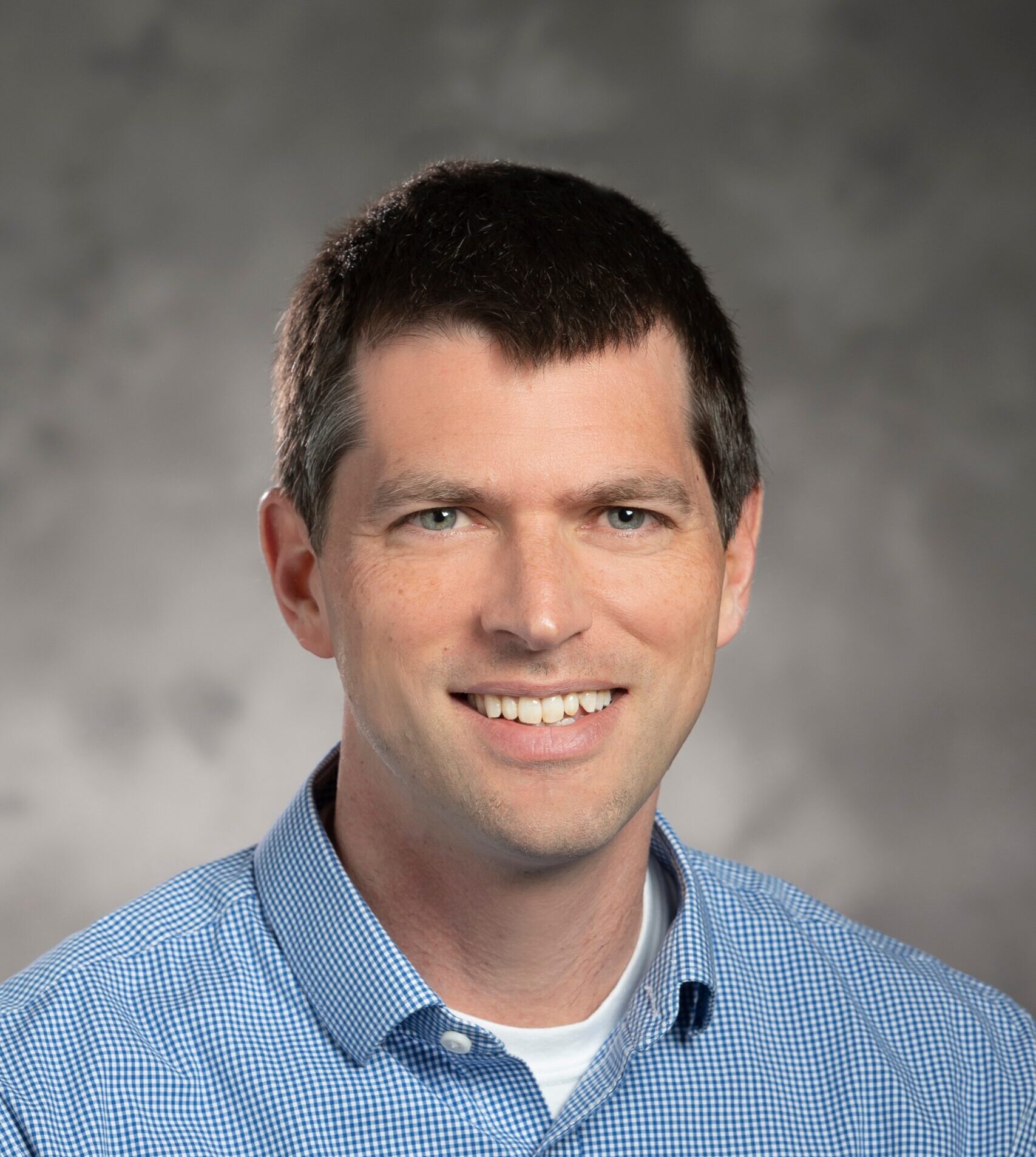
Don Fox
Don Fox is a professor of pharmacology and cancer biology at Duke University. He is a current member of Fly Board. Don’s lab studies the biology of two genomic extremes- polyploid cells and rarely used codons. These topics are studied in the contexts of organ development and regeneration. Regarding polyploidy, current projects include a focus on unique genetic dependencies of polyploid cells, which can ultimately inform on treatment of the large number of polyploid cancers. Regarding rare codons, current projects include identifying tissue-specific roles of tRNAs, to reveal how genetic code regulation programs cell identity.
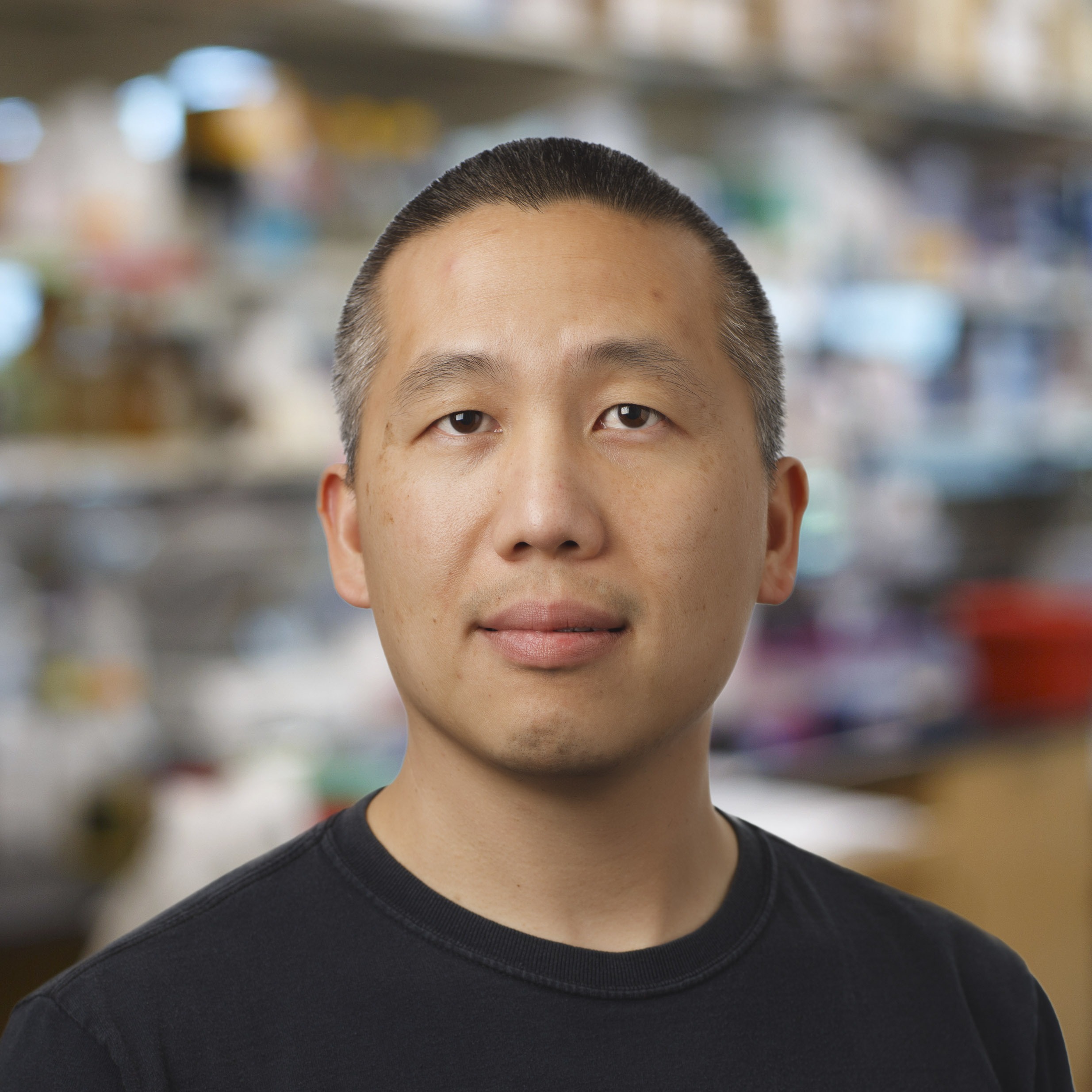
William Ja
William Ja is an associate professor in the Department of Neuroscience at The Herbert Wertheim UF Scripps Institute for Biomedical Innovation & Technology in Florida. His lab uses Drosophila to study aging and nutrition, the neurobiology of behavior, and host-microbiome interactions. Recent work combines high resolution behavioral assays, genetics, and neuronal circuit manipulations to define how central and peripheral clocks coordinate feeding, sleep, and energy balance, and to uncover chemosensory mechanisms that shape social behavior.
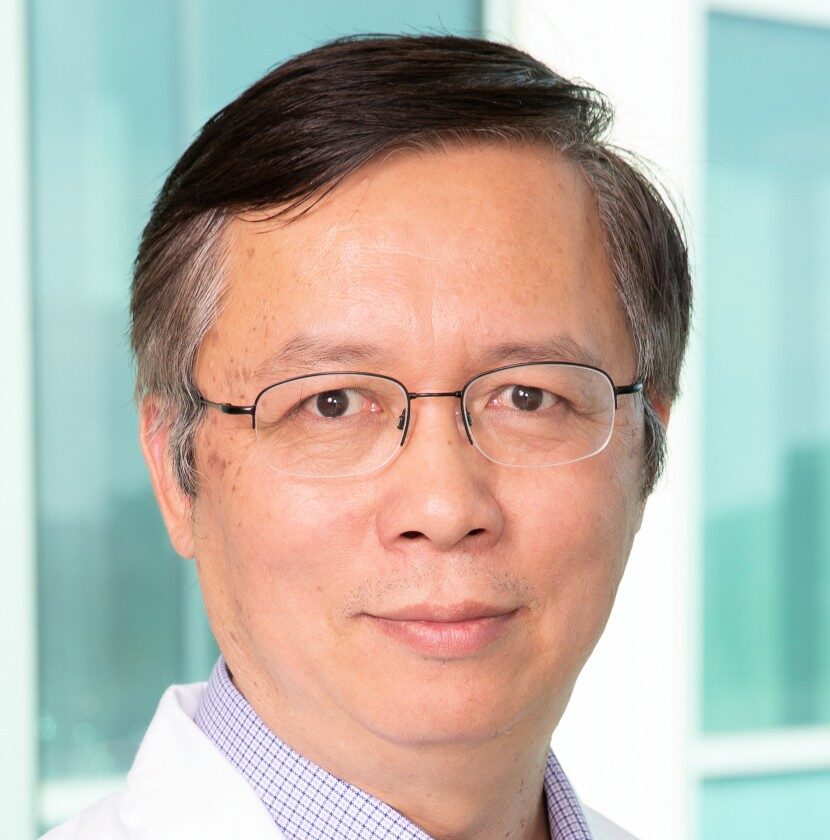
Jin Jiang
Jin Jiang is a professor and McDermott scholar at University of Texas Southwestern Medical Center where he investigates cell signaling mechanisms in development and regeneration. His lab has been carrying out systematic genetic screens to identify genes controlling cell growth and patterning in Drosophila. Jiang’s lab has made numerous important contributions to the Hedgehog signaling field, including the elucidation of the role of cAMP-dependent protein kinase (PKA) in Hedgehog signal transduction and the mechanism of Smo activation. His lab also co-discovered the Hippo pathway and recently uncovered a non-canonical role of Hippo signaling in cancer.
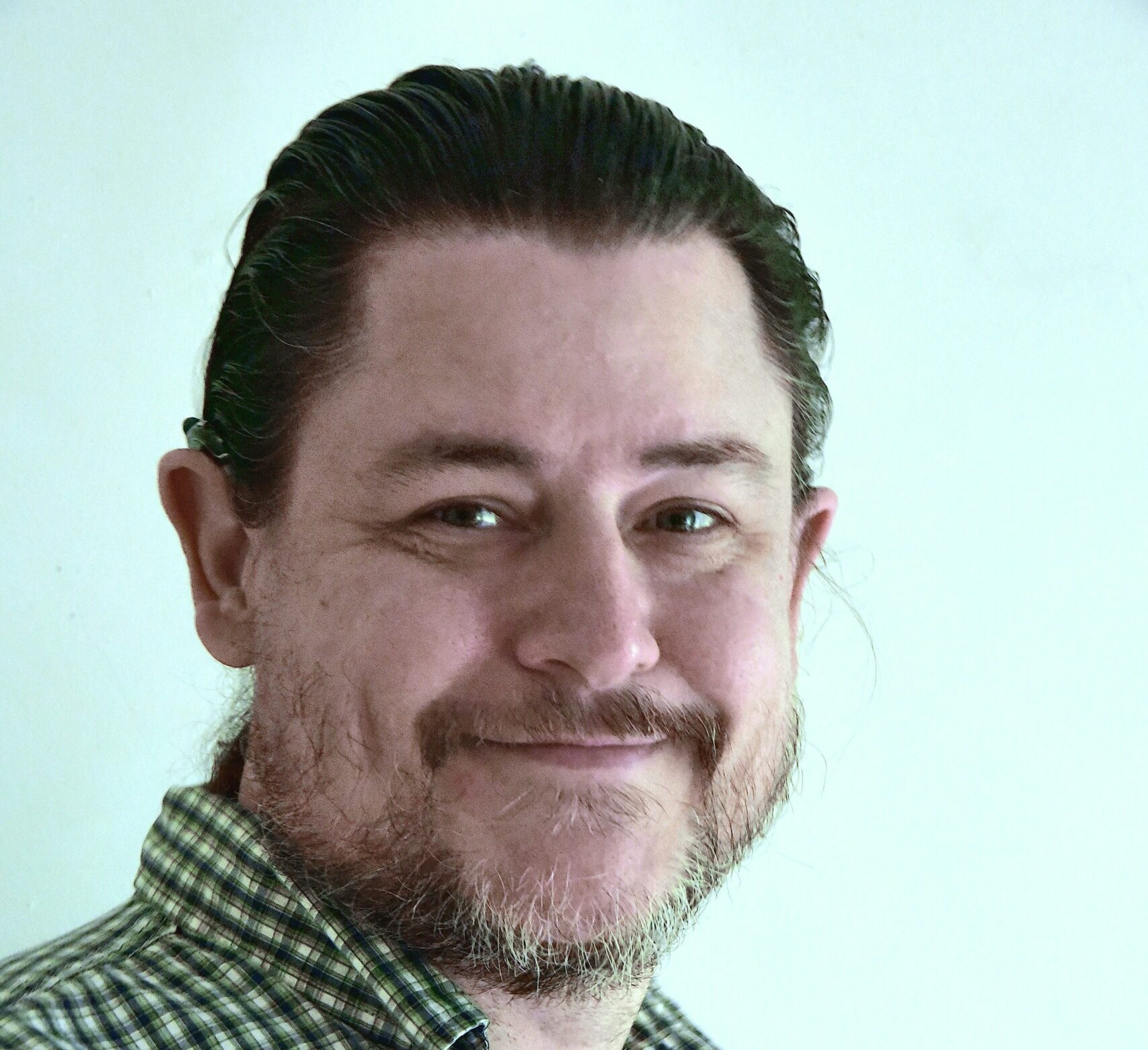
Stephen Klusza
Stephen Klusza is an associate professor of biology in the School of Sciences/College of STEM at Clayton State University in Morrow, Georgia, where he splits his time between DEI advocacy, public outreach, education, and mentoring of first-generation students. His current academic goals include lowering barriers to entry for authentic Drosophila research experiences and championing basic research as a gateway to development of strong STEM identities in marginalized groups. In addition, he supervises undergraduate and high school student research using Drosophila and is currently working on expanding the available toolkits of Drosophila as teaching aids for genetic courses.
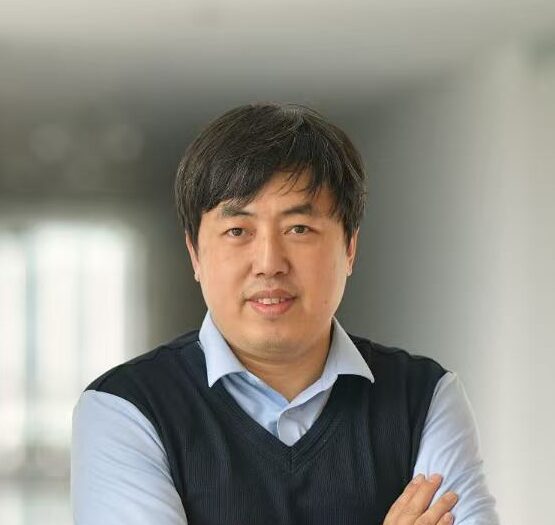
Yulong Li
Yulong Li is a professor at the School of Life Sciences, Peking University. He received his BS from Peking University, PhD in Neurobiology from Duke University, and completed postdoctoral training at Stanford University. Since 2012, he has led a lab at Peking University focused on ‘synapse’, creating advanced optical probes to study the brain in space and time. His team developed GRAB sensors, a series of genetically encoded probes for in vivo imaging of neuromodulators such as acetylcholine, monoamines, lipids, and neuropeptides across species, enabling rapid, cell-specific detection in the nervous system. Utilizing these tools in Drosophila, his lab has dissected how monoamines dynamically modulate neural circuits during associative learning, while concurrently decoding the mechanisms of neuropeptide release.
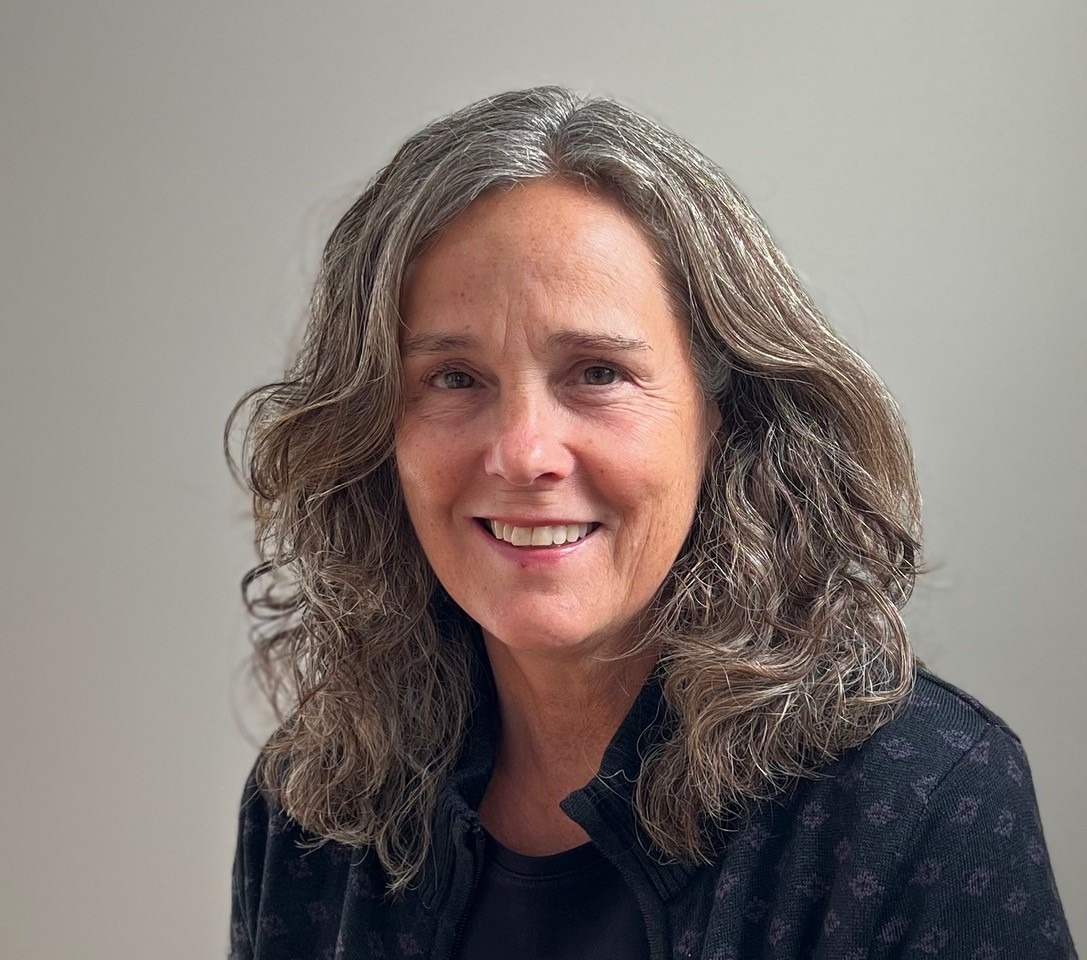
Kim McCall
Kim McCall is a professor of biology at Boston University. Her group is interested in the diverse mechanisms of cell death, how dead cells are efficiently removed, and the physiological effects when these processes go awry. In the ovary, her group has investigated both apoptotic and non-apoptotic germ cell death, and how their death and clearance are mediated by surrounding follicle cells. In the brain, her group has shown that defective phagocytosis leads to neurodegeneration via local and systemic immune signaling. Current research is aimed at investigating additional pathways affected by disrupted phagocytosis and the role of phagocytosis in models of human disease.
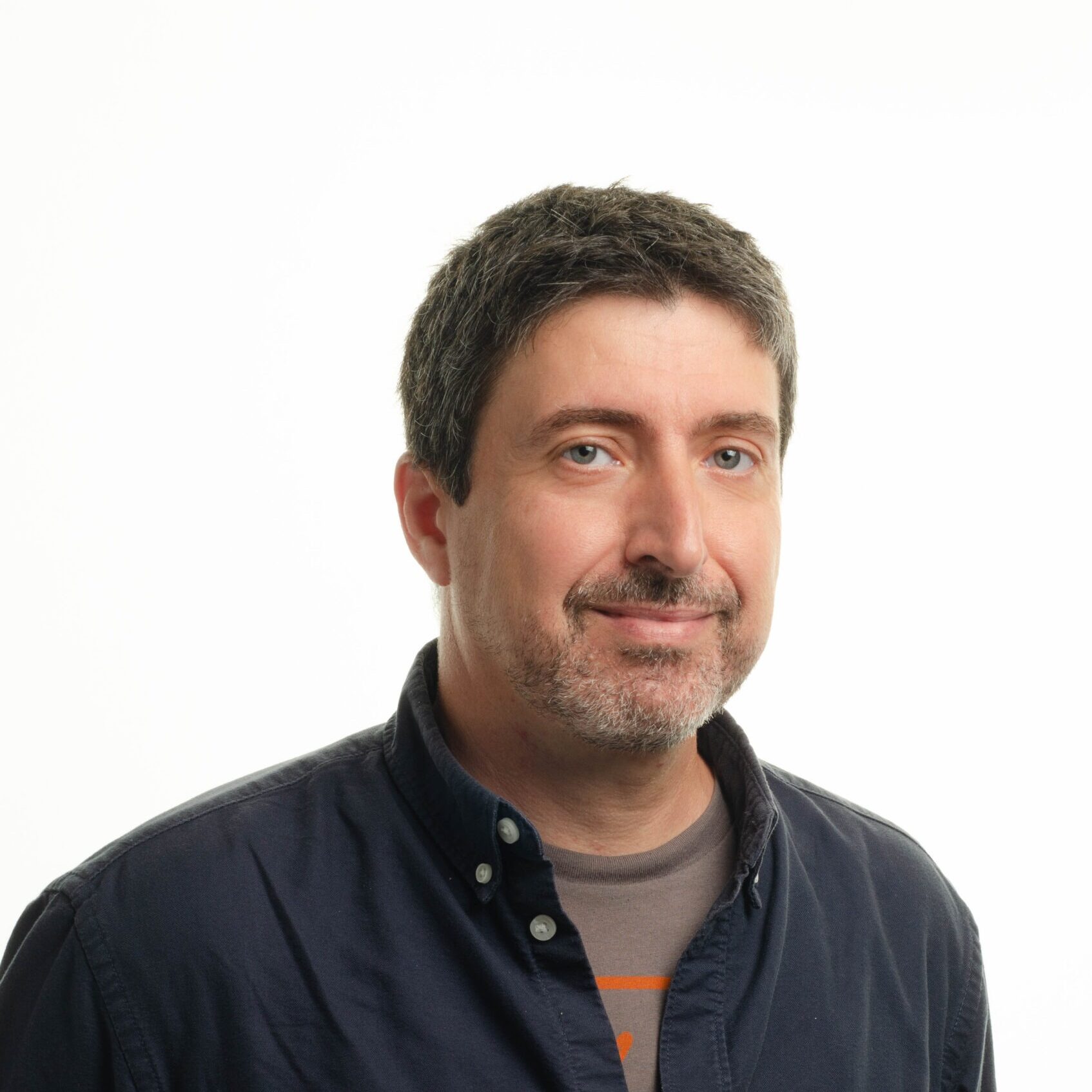
José (Pepe) Pastor-Pareja
José C. Pastor-Pareja is the head of the Cell-to-Tissue Architecture Lab at the Institute of Neurosciences (CSIC-UMH) in Alicante, Spain. He completed his PhD under Antonio García-Bellido in Madrid, followed by postdoctoral training with Tian Xu at Yale University. He then established his laboratory at Tsinghua University in Beijing, later returning to Spain. His lab combines Drosophila genetics with advanced imaging to investigate how cells are shaped and organized from the subcellular to the tissue and organ scales. Recent work has focused on the organization of the secretory pathway and broader endomembrane system, morphogenetic roles of the extracellular matrix, and adult fat body development.
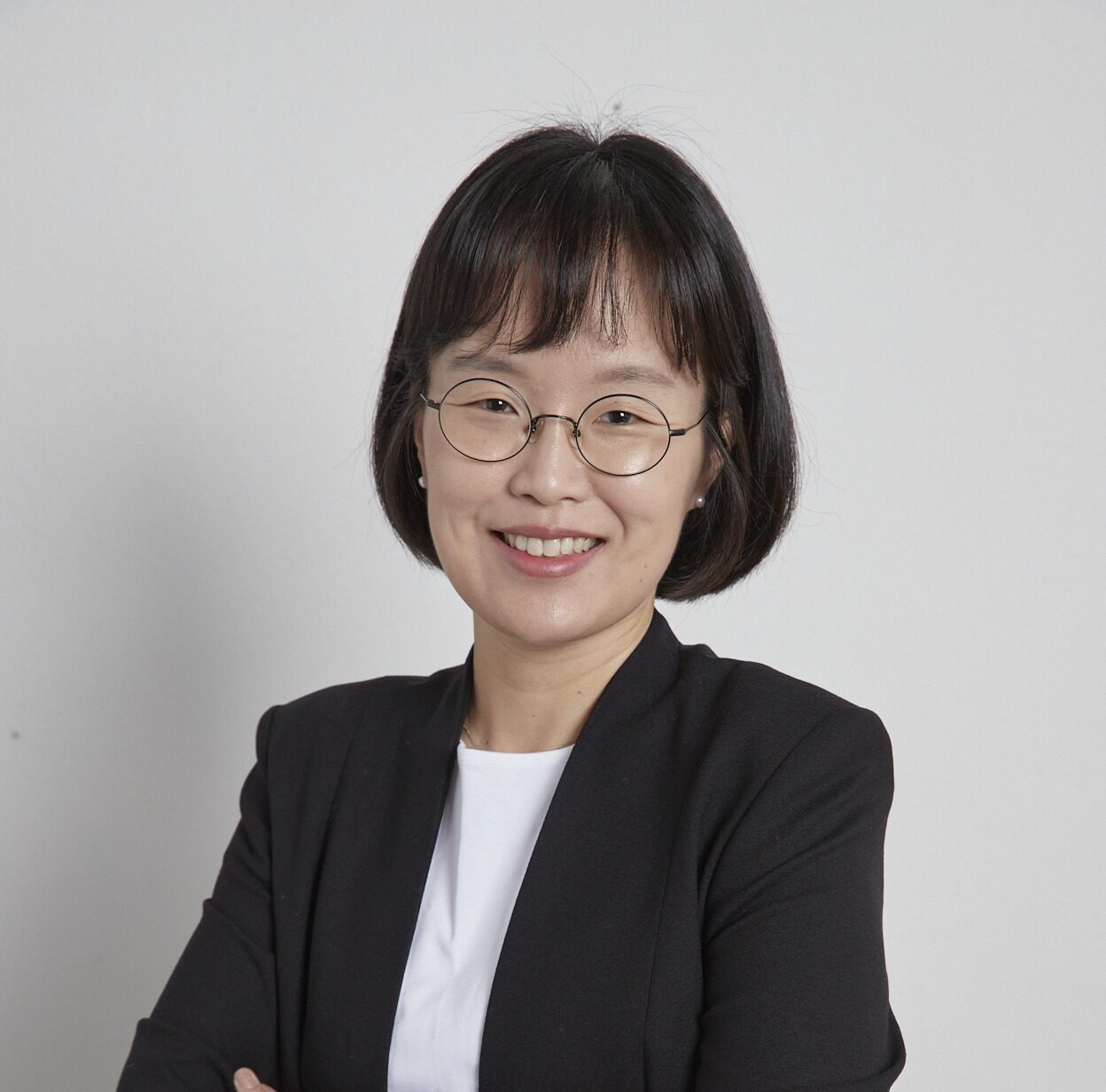
Jiwon Shim
Jiwon Shim is a professor of biological sciences at the Seoul National University in Seoul, Korea. Her lab studies how Drosophila hemocytes sense environmental cues to control hematopoiesis and immune function. Using single-cell RNA sequencing, her lab built atlases of hemocyte diversity across developmental stages and genetic backgrounds. More recently, her lab has shown how sensory and physiological signals shape hemocyte differentiation and quiescence, and has uncovered non-immune functions of hemocytes in oxygen control and systemic metabolism.
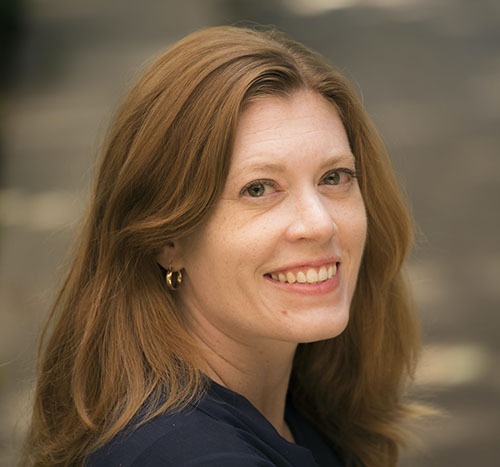
Rachel Smith-Bolton
Rachel Smith-Bolton is a professor of cell and developmental biology at the University of Illinois Urbana-Champaign, and is an affiliate of the Regenerative Biology and Tissue Engineering Theme in the Carl R. Woese Institute for Genomic Biology. Rachel’s lab studies epithelial tissue repair and regeneration using the Drosophila imaginal disc as an experimental system. While the lab studies all aspects of tissue regeneration, recent work has focused on how regenerative growth induces cell competition, how the regenerated tissue undergoes repatterning and exits regeneration, and why regenerating tissue makes patterning errors at a rate not seen in normal development.
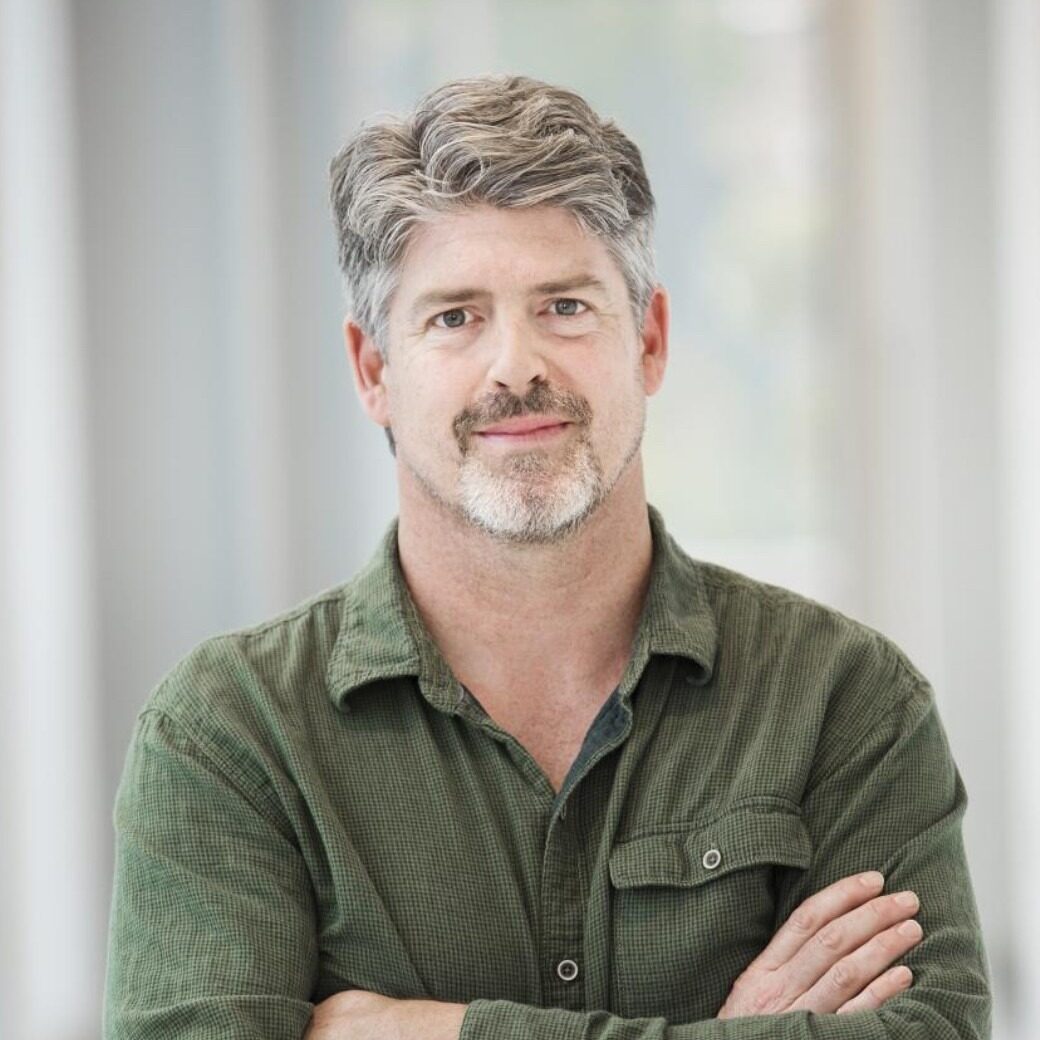
Paul Schmidt
Paul Schmidt is Patricia M. Williams Term Professor and undergraduate chair of biology at the University of Pennsylvania. Research in his group addresses fundamental questions in ecological and evolutionary genetics using Drosophila spp. as a model system. Ongoing work addresses the dynamics and mechanisms of evolutionary adaptation over ecological timescales, architecture of complex traits and polygenic adaptation, and the role of environmental variation in the maintenance of molecular polymorphism.