

Genetics Society of America

2026 Fly Board Election Candidates and Ballot
To cast your vote, you will need to create an account or log in at the link below using an email address and password. This helps the Fly Board ensure a fair election. You do not need to have an active GSA membership to vote in the election. Elected members start their term immediately after the 67th Annual Drosophila Research Conference taking place March 4-8, 2026.
Please log into your GSA Account using the link above. You will see the option to vote in the Fly Board Election. Follow the link and fill out your choices using the form. Your ballot will be submitted as the deadline to vote passes. Until that time, you may change your votes.
You will receive an email confirming your ballot has been submitted (please check the spam folder). If you have technical difficulties, email society@genetics-gsa.org.
Deadline to vote: February 20, 2026.
Access Ballot
Candidate Statements and Biographical Information
Read each candidate’s statement and biographical information at the links below. Return to this list using the “Return to Top” links.
Representatives
Vote for one in each section
New England Region Representative
Mountain Region Representative
Australia/Oceania Region Representative
Primarily Undergraduate Institutions Representative
Postdoctoral Representative
Graduate Students Representative
Julie Brill

Senior Scientist, The Hospital for Sick Children
Candidacy Statement
My first exposure to biology was in third grade, when my parents gave me a set of Sears microscope slides and my dad brought home his upright microscope from the lab so I could look at them. I was fascinated; one of the sets, labeled “Organs of Insects,” included a fly wing and leg!
At Swarthmore College, I chose a biology course on a whim, to satisfy a distribution requirement. This decision completely changed my life. After taking the Intro to Cell and Developmental Biology and Genetics (three of my favorite topics), I was hooked. In the genetics lab, I set up my first fruit fly crosses, did linkage experiments, and made polytene chromosome preps. Scott Gilbert, an incredible teacher and textbook author, taught developmental biology. By the end of college, I knew I not only wanted to do biology, but I also wanted to teach biology. After college, I took a gap year to finish a project I had started the previous summer with Susan Gottesman at the National Institutes of Health, apply to grad schools, and set out on a path towards an academic career.
In grad school at the Massachusetts Institute of Technology, I joined the lab of yeast geneticist Gerald Fink at the Whitehead Institute, where I studied pheromone signaling and investigated the relationship of yeast MAP kinases to other components of the signaling pathway. Between experiments, I spent much of my spare time talking to friends in the labs of Terry Orr-Weaver, Ruth Lehmann, and Don Rio, which led me to apply to Drosophila labs for my postdoc and join Margaret (Minx) Fuller’s lab at Stanford; there, I began studying sperm development. In Minx’s lab, and as a visiting postdoc in Barbara Wakimoto’s lab at University of Washington, I cloned one of the first lipid kinases shown to be important for cytokinesis. I moved to Toronto to start my lab at The Hospital for Sick Children exactly 25 years ago as I write this.
As a card-carrying geneticist who joined the Genetics Society of America (GSA) in 1988 to go to a yeast meeting and has attended nearly every Fly meeting since 1994, being part of GSA and the fly community has been incredibly important to my career. I met many friends and collaborators through this community and was fortunate to give my first talk (1996), chair my first session (2004), and be an invited plenary speaker (2012) at the Fly meetings.
I have served as Canadian representative to the Fly Board and am currently Chair of the Drosophila Image Awards committee. At a time when science has been hard hit and its value underappreciated, we are all feeling the need for community action towards shared goals. As Fly Board President, I would be honored to bring the community together to work towards common goals, such as advocating for model organism research and database funding, increasing diversity in science, and promoting public science education.
Michael Buszczak
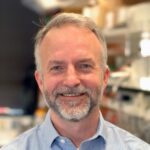
Professor, UT Southwestern Medical Center
Candidacy Statement
I would be honored to serve as President of Fly Board. I began working with Drosophila in 1996 as a graduate student in Lynn Cooley’s laboratory at Yale University, where I studied ecdysone signaling during oogenesis. I then completed my postdoctoral training in Allan Spradling’s lab where I conducted a large-scale GFP trap screen with the help of many colleagues. I am currently a Professor in the Department of Molecular Biology at UT Southwestern Medical Center where my research focuses on germ cell development and on how ribosomes and mRNA translation contribute to development and disease.
The support of the fly community has played a central role in my scientific growth. This is an exciting time in genetics and I believe our model system remains second to none in its power to drive discovery.
Service to the scientific community has been an integral part of my career. I served as Treasurer of the Genetics Society of America (GSA) from 2020 to 2022, gaining firsthand experience with the fiscal challenges and opportunities facing scientific societies. I currently serve on the GSA Awards Committee and as Chair of the GSA Publications Committee, advising the Editors-in-Chief of the journal GENETICS and G3: Genes|Genomes|Genetics and the GSA Executive Board. I also served for six years on a National Institutes of Health study section and continue to participate as an ad hoc reviewer.
Helping to organize the 2019 Annual Drosophila Research Conference was one of the highlights of my scientific career and reinforced my appreciation for the fly community. I am a member of the Bloomington Stock Center Scientific Advisory Board and twice served on the Larry Sandler Selection Committee. At UT Southwestern I administer our local fly kitchen.
I see Fly Board as both a steward of essential community resources and a voice advocating for Drosophila research in the broader scientific community. If elected, I will work to strengthen our Society, advocate for sustained funding for model organism research, support professional development for students, fellows, and early-career scientists, ensure the Fly meeting remains a highlight on the scientific calendar, and promote scientific literacy in the public domain.
As President, I will work to promote the long-term financial security of Fly Board and to support the Stock Centers, FlyBase, and other shared resources that enable top-notch research. I will strive to “raise all ships” by advocating for all members of our community and continuing Fly Board’s tradition of inclusivity, collaboration, and scientific exploration. It would be a privilege to serve a community that has shaped my career and continues to inspire my science.
Brian Lazzaro
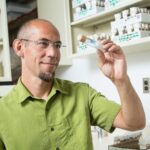
Professor, Cornell University
Candidacy Statement
I have always considered the Drosophila research community to be my intellectual home and I have strong affinity with the Genetics Society of America (GSA) as the organization that underpins it. Even as I write this, I’m drinking from a GSA Journals coffee mug. The Fly Board has crucial responsibilities including advocacy for Drosophila research, enabling the annual Drosophila Research Conference, and supporting career development at all stages. As Treasurer of the Fly Board, my mission would be to sustain these activities and expand their impact. These are obviously difficult times in research science and we face serious threats, including the defunding of FlyBase. But there are also new avenues to explore. The world has changed multiple times over the last 120 years and the Drosophila community has maintained its resilience throughout.
I attended my first Fly meeting in 1996 before I even started graduate school and I have missed only two since then. I was offered the terrifying and tremendous opportunity to give a plenary talk in 2011 (with my non-academic parents in the audience!) and this remains a sentimental high point in my career. I proudly published my first first-author paper in GENETICS in 2000. I was an Associate Editor for GENETICS from 2012 to 2019 and the Great Lakes Regional Representative to the Fly Board from 2021 to 2024. I am currently a mentor in the FlyCross program. Outside GSA, I am the current Chair of the National Institutes of Health Center for Scientific Review study section on Genetic Variation and Evolution (GVE), I have served in multiple leadership roles within Cornell including founding Director of the Cornell Institute for Host-Microbe Interactions and Disease (CIHMID; 2017-2025), and I was co-chair of the College Board/ETS Exam Development Committee that writes the annual AP Biology test (2015-2018). I would bring that commitment and experience to the role of Fly Board Treasurer.
My research program is focused on the evolutionary and functional genetics of insect immune systems, with bacterial infection of D. melanogaster as our primary experimental system. We study the genetic basis for variability in immune defense, how the immune system interacts with other physiological processes including reproduction and metabolism, bacterial strategies for infecting insects, and the long-term evolutionary genetics and comparative genomics of insect immune systems. I began this research as a PhD student with Andrew Clark at Penn State, building from a foundation I gained as an undergraduate and research technician in Chuck Langley’s lab at University of California, Davis. I started my own lab at Cornell University in 2003.
My research career began in the pre-genome era and has continued into the age of CRISPR. The technological advances over that time have been enormous—we went from Northern blots to qPCR to microarrays to RNAseq in less than 15 years—and GSA and Fly Board have always played a key role in development and distribution of tools and resources. The Techniques and Technology workshop at the Fly meeting is standing-room only and usually spills out into the hallway.
The Fly Board plays a critical role in advocacy and outreach, including efforts to secure federal support for Drosophila research. This task is now more important than ever. And especially in this time, we must continue to support, mentor, and promote the career development of our more junior colleagues. The fly community stands out by bringing undergraduates to the Fly meeting with mechanisms like the Victoria Finnerty Undergraduate Travel Award and GSA Undergraduate Travel Awards, by providing travel funds and formal networking opportunities for graduate students, and by establishing cross-institutional mentoring for junior faculty through FlyCross. All of these activities are core to the identity of the Drosophila community and, as Treasurer, my job would be to expand them and ensure their success. Being nominated for consideration as Treasurer of the Fly Board is one of the greatest professional honors I have received. Serving in this position would be a privilege and a labor of love.
Tina L. Tootle
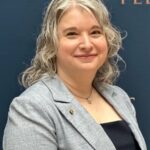
Professor and DEO/Chair, Department of Biology, University of Iowa
Candidacy Statement
I received my BS in microbiology from the University of Maryland, College Park (1998), where I earned high honors for my thesis studying plant-pathogen interactions in Arabidopsis thaliana. I then served as a research assistant in the laboratory of Soichi Tanda, where I fell in love with Drosophila as a model system and never looked back. During my graduate studies with Ilaria Rebay at the Massachusetts Institute of Technology (1999-2004), I studied Ras/MAPK signaling and the Retinal Determination Network. As a postdoctoral fellow with Allan Spradling at the Carnegie Institution for Science in Baltimore, I began my studies on prostaglandin signaling (2004-2009). My lab at the University of Iowa is focused on understanding how prostaglandins regulate the actin cytoskeleton and nuclear actin to control Drosophila follicle or egg chamber morphogenesis and collective cell migration.
I have always been active in service. I co-developed and served as the Director of the Cell and Developmental Biology Graduate Program from 2017 to 2022. I am currently the DEO/Chair for the Department of Biology at the University of Iowa. I have served on the organizing committee for the Midwest Drosophila Research Conference, numerous Fly Board Committees including the Election Committee, the Trainee Awards Committee, the Drosophila Image Award Committee, and the Genetics Society of America (GSA) Publications Committee. I was co-editor of the Springer Nature, Methods in Molecular Biology: Drosophila oogenesis book (2023), and am an associate editor at GENETICS. I regularly serve on both National Institutes of Health and National Science Foundation grant review panels.
I am running for Treasurer of Fly Board for several reasons. First, the fly community is my scientific home and has been for 27 years. Second, having served as a representative on the Fly Board before, I know how important this Board is for the Drosophila community. I am passionate about maintaining this community, supporting its trainees, and advocating for the fly community’s needs. Third, having faced the challenges as department chair of being fiscally responsible while still developing initiatives to support trainees, research, and teaching, I am prepared to work with Fly Board and the greater fly community to ensure our financial future while still investing in both continuing and new important initiatives.
Erica Larschan
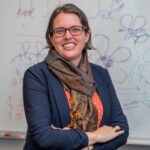
Professor, Brown University
Candidacy Statement
I first fell in love with fruit flies as a model system as a high school student, where AP Biology class was fondly called “AP Fruit flies” by all of the students. My PhD training at Harvard Medical School focused on budding yeast and basic transcriptional mechanisms, but I quickly moved up the food chain from yeast back to Drosophila for my postdoctoral work with Mitzi Kuroda on Drosophila dosage compensation. I conducted a genetic screen and have continued to decipher the function of the novel factors I identified in my own group at Brown University, where I was just promoted to Full Professor. I have always been fascinated by the model’s versatility and have studied diverse areas, from zygotic genome activation to synaptic gene regulation, with transcriptional mechanisms as a common anchor.
It was a great honor to be selected as a plenary speaker at the Drosophila meeting, the same year President Obama selected me for the PECASE Award. I have also served as a session chair at the Annual Drosophila Research Conference and have trained two postdoctoral fellows who have started their own Drosophila labs. I have also served on the selection committee for the Larry Sandler Award and am an editor at the journal GENETICS. Additional scientific services I have provided include directing a graduate program, serving as a T32 PI, and serving as a permanent member of a National Institutes of Health study section. I am very passionate about Drosophila as a model for both research and training.
Yukiko Yamashita
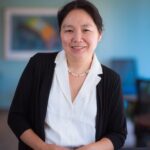
Professor, MIT/Whitehead Institute
Candidacy Statement
I am a member of the Whitehead Institute for Biomedical Research and a professor in the Department of Biology at Massachusetts Institute of Technology (MIT). I received a BS and a PhD from Kyoto University, and conducted postdoctoral research at Stanford University with Minx Fuller, where I picked up Drosophila genetics and never looked back. I started my independent career in the Life Sciences Institute at the University of Michigan, Ann Arbor in 2007, and then moved to the Whitehead Institute/MIT in 2020.
My lab has studied the mechanism of asymmetric stem cell division using Drosophila testis as a model system. These studies also led us to the study of satellite DNA, which then led us to our interest in the process of speciation. I am a firm believer in curiosity-driven science, and this curiosity comes from an individual’s heart and mind. This is the guiding principle for everything I do in science (from deciding what research direction to take to how to support trainees). In supporting discovery science and rigorous training to conduct such science, I cannot imagine a better research community than the Drosophila field. Its tools, knowledge based on over a century-old history, and most of all the supportive community enable us to train young scientists in the best possible way.
I am a proud Drosophila geneticist: I am awed daily by what the Drosophila field can contribute to our knowledge in biology in the most rigorous way. When I say I am a proud Drosophila geneticist, it also reflects my admiration for intellectual giants in the history of Drosophila genetics, whose science is still influencing our thinking today—and most importantly, many questions that were posed in the history of Drosophila research remain mystery to this day: those questions are not Drosophila-specific niche questions (pun not intended, although my lab studies stem cell niche), but have clear and important implications in the biology of all organisms. If elected to serve on the Fly Board, I want to make the importance of Drosophila research more visible, especially in the current climate, where fundamental basic research appears to be increasingly underappreciated.
I have served as a session chair at Fly meetings and attended many. It was an honor to give a keynote talk at the Fly meeting in 2023. If chosen to serve on the Fly Board, I would advocate for the Drosophila community in any way possible: I aspire to make the contributions and importance of Drosophila research more visible. The Drosophila community has helped me so much, and I would do my best to serve the community, if given the opportunity.
Clement Chow

Associate Professor, University of Utah School of Medicine
Candidacy Statement
Drosophila has so much untapped potential to transform personalized medicine. I am running for Fly Board because I want to help the community realize this potential. I moved into Drosophila genetics from a mouse lab because I was frustrated by the slow pace of mouse work. As a postdoc with Andy Clark and Mariana Wolfner at Cornell, I used the power of Drosophila genetics to explore the role of natural variation on stress responses. Now, as an associate professor in the Department of Human Genetics at the University of Utah School of Medicine, my lab utilizes the unique advantages of Drosophila to identify new therapies for rare neurological diseases. When I started my lab in 2015, we used Drosophila to identify rare disease modifier genes that we used to develop new drug targets. While this work continues, in more recent efforts, we now partner with families and foundations to screen for US Food and Drug Administration approved drugs using Drosophila models, with the hope that an identified molecule can be quickly implemented in the clinic. To date, we have screened for nearly 25 rare diseases and have helped to move over a third into N=1 trials directly from flies to patients. This type of work is only made possible by and really highlights the unique advantages of the Drosophila model and the generosity of the community in developing and sharing tools, strains, and reagents.
The fly community is only as strong as its members and mentorship has been key to building such a strong community. I have benefitted so much from this community since I first started attending in 2008. Mentorship and providing opportunities to all who want them is a major focus of my career. I have mentored undergraduate students, graduate students, and postdocs and have sent most of them to the Fly meeting. I host students in my lab during summer programs for students from disadvantaged backgrounds. I serve as faculty advisor for our local SACNAS chapter and serve as the department leader for issues of community, equity, and belonging. At the national level, I have served on numerous committees, including the selection committee for the Genetics Society of America DeLill Nasser Award for Professional Development in Genetics. If elected to the Fly Board, I will help to strengthen and develop new ways that we can mentor future scientists and make the fly community even more inviting and inclusive. I will advocate for more funding by highlighting the unique ways in which Drosophila can lead the charge for improving human health, while still maintaining its strength in basic science. In the end, I hope my tenure on the Fly Board will help create an even more sustainable and vibrant community.
Beverly Piggott

Assistant Professor, University of Montana
Candidacy Statement
I am an assistant professor in the Department of Biological and Biomedical Sciences in the College of Science at the University of Montana. My lab uses Drosophila to study the bioelectricity of neural stem cell development. The Piggott lab was established in 2020.
I was born and raised in rural Wisconsin where my passion for science arose experiencing the power of medicine to save lives. My mother is a four-time cancer survivor, and she has been an inspiration for me throughout my numerous years of education. I attended the University of Wisconsin in Eau Claire where I was first exposed to scientific research investigating the potential for green methods to enzymatically degrade wastewater pollutants. I next joined Shawn Xu’s lab at the University of Michigan where I worked with C. elegans to study the underlying neural circuits driving locomotion. I gained a great appreciation for the power of model organisms to understand fundamental aspects of biology. After obtaining my PhD, I joined the labs of Yuh-Nung Jan and Lily Jan where I became a Damon Runyon postdoctoral fellow at the University of California in San Francisco. Here I fell in love with flies and began to apply the techniques I had employed to study neural circuits to understand the role of ion channels in neural stem cell development. These cells are often called “non-excitable,” yet they express many ion channels. This topic became the foundation for my research program at the University of Montana.
The primary focus of ongoing research projects in the Piggott lab centers on the role of pH and Ca2+ dynamics throughout neurogenesis. In what will be the first papers of our lab (hopefully coming out shortly) we outline our novel findings that neural stem cells and differentiated progeny display distinct pH and Ca2+ dynamics that are essential to their cellular identities and functions. Since starting my lab, I have had the pleasure of mentoring three high school students, 14 undergraduates, three lab technicians, and two PhD students. I’ve served on numerous thesis and admissions committees. I was recently awarded a National Science Foundation CAREER Award that supports our pH research and has provided funding for us to partner with the local Missoula Library where we have established a science exhibit that showcases our research and conveys to K-12 students how model organisms like flies can be used to understand human biology and disease.
Joining the Genetics Society of America and attending Fly meetings has been one of the highlights of my life as a new professor. I have had the opportunity to serve on the Larry Sandler Committee and will be a co-chair for a session in the upcoming Fly meeting. I have been incredibly grateful for the generosity of the fly community to share reagents and ideas and for the inclusive support for one another at all career stages. It would be an honor to give back to the community by promoting effective scientific communication, advocating for basic science research, and continuing to support the next generation of scientists.
Christen Mirth
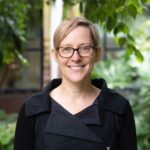
Associate Professor, Monash University
Candidacy Statement
I completed my undergraduate degree in Zoology at the University of Alberta in Canada (1997). During my studies, I gained my first research experience working with John Spence (Ecology and Evolution of Insect Populations) and Richard Palmer (Evolution of Asymmetry in Crustaceans). My interest in evolution and developmental biology led me to conduct my PhD studies with Michael Akam at the University of Cambridge in the UK (2002). In Akam’s lab, I became interested in how hormones regulate the development of animal structures during metamorphosis in insects. To study this, I chose to use the (then) new techniques like GAL4/UAS available in Drosophila melanogaster.
I conducted my postdoctoral work first at the University of Washington (2003-2008), then at Janelia Research Campus (2008-2010) in the U.S. under the joint supervision of Lynn Riddiford and Jim Truman. Here, I investigated the hormones regulating animal growth and final body size. In 2010, I accepted a Group Leader position at the Institute Gulbenkian de Ciência in Portugal. My first lab focused on how nutrition regulates organ and body growth and how responses to nutrition evolve across Drosophila species. Finally, in 2015 I was recruited to Monash University in Australia where I am currently an associate professor.
Work in my lab aims to understand how animals deal with changes in their environment across a range of scales, from single cells to populations living in different environments. We explore how environmental conditions experienced by juvenile animals alter hormone production and organ development at the cellular level. Further, we are interested in how genetic differences between individuals and across species alter developmental responses to environmental conditions.
In addition to my research, I am also the Associate Dean for Equity, Diversity and Inclusion for the Faculty of Science. In this role, I have worked to build a community where under-represented voices are heard and systemic barriers to equity are dismantled. I am committed to listening deeply to the positions of others and for advocating for fair representation.
I am passionate about my role as an undergraduate and graduate student educator. I coordinate and teach a third-year unit on Developmental, Cellular, and Molecular Biology. This unit emphasises experimental design and scientific literacy in genetics, highlighting the important role of model organisms like Drosophila.
It would be an honour for me to represent Australia/Oceania on the Fly Board to promote research in Drosophila and manage community resources.
Leonie Quinn
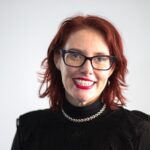
Professor, Australian National University
Candidacy Statement
I am a professor at Australia’s National University (ANU) in the John Curtin School of Medical Research, where I head the Division of Genome Science and Cancer and lead a research program using Drosophila to understand mechanisms of cancer initiation and progression.
Since my postdoctoral studies in Helena Richardson’s laboratory (Peter MacCallum Cancer Centre, 2000-2007), I have been passionate about and have advocated for the use of Drosophila models to elucidate the molecular mechanisms driving cancer initiation and progression. Over the past 25 years, my research has used a range of Drosophila models (e.g., wing, eye, brain, ovary, testis, salivary, prothoracic, and lymph gland) to understand developmental control of proliferative growth, cell death, and differentiation (Group Leader, University of Melbourne, 2007-2016; Australian National University, 2017-present). A core focus of my current, unpublished work involves determining how glioma driver genes, including the single-stranded nucleic acid (ssDNA/RNA) binding protein Psi, normally function to control neural stem cell-niche communication. Additionally, in my role as undergraduate course convener, I am ensuring our future generation of researchers appreciates the utility of Drosophila for modelling disease.
As a member of the Australian Drosophila Advisory Board, I have strengthened our community through annual “AusFly” conferences and, more broadly, advocated for Drosophila functional genetic models for disease, lobbied for research funding, and developed critical research infrastructure (e.g., OzFly and The Australian Transgenic Drosophila Facility). I have further served as an executive member for the premier developmental biology society in the Asia Pacific Region, the Australian and New Zealand Society for Cell and Developmental Biology (ANZSCDB, 2017-2019). I will capitalize on my leadership experience to ensure representation of the Australia/Oceania Drosophila community on the Fly Board.
Jacob Kagey
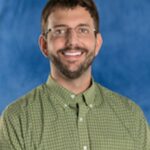
Professor, University of Detroit Mercy
Candidacy Statement
My career in Drosophila research is founded in my passion for providing undergraduate students with authentic, valuable research experiences that can ignite their enthusiasm for science, while also uncovering new understandings of the genetic regulation of development. This passion is why I am now running to be the representative for Primarily Undergraduate Institutions (PUI) to the Fly Board.
I have been a member of the Drosophila research community since I started my postdoctoral fellowship at Emory University in 2009. A primary motivator for selecting Drosophila as a model for my research program was their adaptability for undergraduate research projects; I knew then that I wanted to broaden undergraduate students’ access to research, and I saw Drosophila’s potential for helping new generations of scientists discover the power and beauty of bench science.
I joined the faculty at the University of Detroit Mercy (UDM),a PUI, in 2011 as an assistant professor and established my research program to explore the genetics of cell growth and cell division during organismal development. I immediately felt welcomed into the PUI Drosophila community as a new faculty member, and I have found this group to be an invaluable resource to help navigate the unique challenges of conducting research at a PUI (funding challenges, isolation, lack of resources, time). Today, as a professor and chair of the UDM Biology Department, I strive to welcome and onboard our new faculty with the same warmth and support I received from the PUI Drosophila community.
As a PUI faculty member, I am connected to the unique challenges that this group faces, including the need to balance research productivity with a significant teaching load. One way I have addressed this challenge is through the development of a Course-based Undergraduate Research Experience (CURE) that fits into an undergraduate genetics laboratory course based on authentic Drosophila research projects. After an initial pilot of this course, I have worked with colleagues to expand and adapt the Fly-CURE at other institutions. To date, this program has provided more than 3,000 undergraduates at over 30 academic institutions with hands-on research experiences mapping and characterizing novel Drosophila mutants. Fly-CURE students have mapped over 30 unique EMS mutants that were identified in a Flp/FRT screen, leading to 18 peer-reviewed publications, the majority of which have undergraduates as the lead author. As the Fly-CURE enters its second decade of growth and research, I am committed to supporting PUI faculty in maintaining Drosophila research that is accessible to undergraduate researchers.
I want to serve as the PUI representative to the Fly Board to provide a voice for undergraduate Drosophila researchers and the PUI faculty who support their development as young scientists. If elected, I would advocate for facets of Drosophila research that are uniquely beneficial to undergraduate researchers and PUI faculty, including support for travel to meetings, avenues for publication, development of research projects and programs that support both research and teaching loads, and further connection among the community of PUI Drosophila researchers. I want to help ensure that newly hired PUI faculty are able to quickly plug into this thriving community to help their research endeavors, while also finding new ways to leverage undergraduate research to advance the broader Drosophila scientific field.
Rebecca Spokony
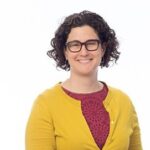
Associate Professor, Baruch College, City University of New York
Candidacy Statement
I am running for Primary Undergraduate Institutions representative of the Fly Board because of my gratitude to the Drosophila community for enabling in vivo genetics and genomics research with undergraduate research labs and classrooms. I have both contributed to, and benefitted from, the shared Drosophila tools and resources. As a postdoctoral fellow in Kevin White’s lab at the University of Chicago (2007-2013), I generated around 150 GFP-tagged transcription factor stocks for the modENCODE project and distributed them to the community until they were integrated into the Bloomington Drosophila Stock Center. I also helped coordinate Drosophila community requests and generate the modENCODE ChIP-seq data.
After starting my laboratory in 2013 at Baruch College, CUNY, a Hispanic-serving PUI, I developed a Course-based Undergraduate Research Experience in a Developmental Biology class using the flies and shared analysis pipeline, from the Drosophila Genetic Reference Panel (DGRP) from the Mackay lab. I contributed to Sally Elgin’s Genomics Education Partnership (GEP) curriculum materials and used them in my classes. As the New York/New Jersey Regional Node Leader for the GEP from 2020 to 2022, I worked to maintain Drosophila and PUI educator ties. I would be honored to serve as the Fly Board’s PUI representative to continue to strengthen the fly community.
My first introduction to the power of Drosophila in education was in middle school. I used FlyNap to perform Drosophila crosses at home as part of a sixth grade science fair project. I subsequently completed a BS at Cornell University (1998) with a concentration in genetics and development. While my undergraduate research project used Arabidopsis as a model, I was fortunate to learn about Drosophila from Mariana Wolfner, Charles Aquadro, Alexey Kondrashov, and Ross McIntyre. I started working on Drosophila as a PhD student at the University of Arizona with a rotation in Margaret Kidwell’s lab. I joined Linda Restifo’s lab for my PhD combining my interests in molecular evolution with development, studying Broad-Complex evolution and function during metamorphosis (2007). My postdoctoral project gave me the opportunity to give back to the Drosophila community. Since starting my laboratory at Baruch College, I have developed three Drosophila CUREs and individually mentored 40 undergraduate research and 30 summer high school research assistants. I have been attending the Annual Drosophila Research Conference since 2003. I benefitted from the opportunity to present at the ecdysone workshop as an early career researcher and served as a workshop co-organizer in 2016 and 2017.
My motivation to serve as PUI representative is to bring concerns of PUI based researchers and educators to the Fly Board. I would work to ensure that the Drosophila PUI community is supported and successful.
TJ Waller
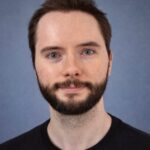
Postdoctoral fellow, University of Michigan
Candidacy Statement
I am a postdoc at the University of Michigan studying development and degeneration of the Drosophila motor system. I hope to serve as the postdoc representative to advocate for trainee interests in the Drosophila community and to agencies that support scientific research. Recent and ongoing disruptions to science, especially academic research, have made an already competitive system with rigid career paths/benchmarks even more difficult. A severe reduction in the next generation of scientists would have lasting consequences and is not something that can easily be repaired. Clearly communicating the value of the research done by our community and its impacts for society is a route for encouraging support of basic science, especially for future researchers. Many trainees are also in the position of needing to change career plans and could benefit from having their research accomplishments in a form that is clear and compelling across industries.
In addition to the standard responsibilities, as the postdoc representative I would pursue two connected goals to support the visibility of trainee research in the Drosophila community:
- Assist interested trainees in creating visual representations of their research, focused on highlighting their potential for an independent career and designed to clearly convey the real-world value of their work.
- Create a central catalog of Drosophila basic science that highlights the societal impacts of current research and the potential our trainees have for achieving public goals if supported.
I would accomplish these goals using my experiences in science communication as a grad student and postdoc. With my university’s Museum of Natural History, I co-created a science communication program for undergraduates, co-designed a small museum exhibit based on my research, and took part in multiple National Science Foundation-funded basic science outreach sessions focused on Drosophila biology. I have also designed and run hands-on science activity stations on campus and at a nearby school, coordinated a high school science bootcamp program, and served as editor for a trainee-created science newsletter. My personal goal in this position would be to convey the value of Drosophila research to societal leaders and funding agencies, with an emphasis on trainee research.
Shree Chaitranjali Yadla
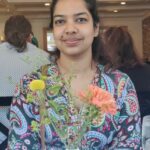
Research fellow, National Institutes of Health
Candidacy Statement
I am a research fellow at the National Institutes of Health (NIH) in Brian Glancy’s laboratory at the National Heart, Lung, and Blood Institute (NHLBI), where I study Drosophila muscle biology, with a focus on fibre-specific mitochondrial network organization in adult muscles.
My journey with Drosophila research began at the Indian Institute of Science (IISc), Bangalore, where I trained as an integrated MS-PhD student in Upendra Nongthomba’s laboratory in the Department of Molecular Reproduction, Development and Genetics (MRDG). During my doctoral work, I investigated isoform switching of muscle proteins during pupal-to-adult muscle remodeling, which deepened both my understanding of—and appreciation for—the elegance with which simple systems reveal fundamental biological principles.
Beyond the science itself, I came to value the resilience of the Drosophila research community that has sustained this model system for over a century. As a fly researcher in India, I benefited immensely from the generosity of both local and international Drosophila communities through the timely sharing of stocks, reagents, and scientific guidance. This support extended beyond research, helping me navigate significant personal and professional setbacks caused by pandemic-related disruptions and prolonged visa challenges that derailed my career progression. The unwavering encouragement of the scientific community during this period kept me motivated and ultimately enabled me to begin my research at NIH, reinforcing my belief in the importance of strong, interconnected research communities.
Alongside my research, I have been deeply engaged in teaching and outreach. I regularly trained students and interns in Drosophila genetics, handling, and dissection techniques. From 2016 to 2018, I volunteered in UGC-sponsored annual teacher-training refresher courses in Genetics and Molecular Biology at IISc, where I trained university and college faculty in Drosophila-based experimental and molecular biology approaches, supporting the establishment and continuation of research programs at their home institutions.
Since joining NIH in late 2024, I have taken on active leadership roles within the NHLBI Fellows’ Advisory Committee (FAC), where I was elected Secretary in May 2025. In this role, I have focused on community building and advocacy for early career researchers by organizing scientific and social events to improve engagement, including spearheading the Three-Minute Talk competition. I have also led efforts to increase fellow participation in FAC by streamlining and publicizing the recruitment process. Additionally, I have served on the NHLBI Research Retreat Planning Committee for both 2025 and the upcoming 2026 retreat, contributing to itinerary planning, abstract review, poster judging, and the design of structured networking opportunities between fellows and principal investigators.
My interest in funding advocacy began during graduate school through involvement in DBT-RA fellowship selection committees at IISc, where I gained first-hand exposure to grant evaluation processes and the challenges faced by applicants. At NIH, recognizing the lack of peer support around internal fellowships, I established “Grant-Writing Corners” in my role as chair of the Career Seminar Committee to connect applicants with each other and with past awardees, and I introduced informal “lunch-and-learn” sessions to encourage mentorship and open discussion.
These experiences have strengthened my ability to build networks, organize impactful initiatives, connect researchers with the right people and resources, and advocate effectively for early career scientists. As a postdoctoral researcher actively engaged in both scientific research and community leadership, I am well positioned to contribute meaningfully and pragmatically to Fly Board by bringing forward the perspectives of postdocs across diverse institutional and international contexts. If elected, serving on Fly Board would allow me to give back to the community that has relentlessly supported me and to advocate at a broader scale for the continued growth and sustainability of the Drosophila research ecosystem. In a year marked by significant challenges to shared fly resources and community-driven initiatives, I am committed to promoting collaboration, supporting early career and international fly researchers, and working toward sustainable funding solutions that strengthen support structures and ensure continued access to shared fly resources.
Seth Lammert
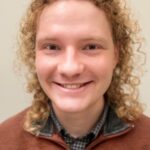
PhD Candidate, Purdue University
Candidacy Statement
I received my BS in biology and chemistry from the University of Indianapolis in 2022. My career in Drosophila research began in spring of 2023 when I began my PhD in the lab of Vikki Weake at the Purdue University Department of Biochemistry. The week that I joined, I was lucky enough to have the opportunity to attend the 2023 Annual Drosophila Research Conference in Chicago, Illinois. It was at this meeting that I began to understand the beauty and capabilities of Drosophila as a model system as well as the strength and warmth of the community that has formed around it. Since the 2023 meeting, my love for Drosophila research and the community has grown exponentially. More recently, I attended the 2025 Midwest Drosophila Conference. The closing session of this conference opened my eyes to the challenges currently facing Drosophila research. After all the Drosophila community has done for me, I want to do my own part to give back and support other trainees.
In the Weake lab, my research has focused on understanding mechanisms of aging in the Drosophila eye, particularly the impact of one-carbon metabolism on the aging transcriptome and epigenome. My work has greatly benefited from the breadth of resources the Drosophila community has fostered, from databases and stock centers to conferences and discussions with other researchers. During my time as a PhD student, I have found a passion for teaching and mentoring in addition to my research. As a teaching assistant, I was given the opportunity to write and present my own lectures. I mentored multiple undergraduate and graduate students and have found fulfillment seeing others grow as scientists. For two years, I served as the treasurer for my department’s Graduate Student Organization where I wrote funding grants and helped organize and execute departmental events. These experiences have helped me develop the skills and knowledge necessary for this role.
I am honored to be considered for this role on the Fly Board. If elected, I will serve the community and represent my fellow trainees to the best of my ability.
Melissa Mychalczuk
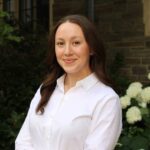
Graduate Student, Cornell University
Candidacy Statement
I am currently a third-year PhD candidate at Cornell University, but have been a part of the Drosophila community since 2021. Prior to graduate school, I attended the University of Pittsburgh, where I worked in Deepika Vasudevan’s lab studying sexually dimorphic activation of the Integrated Stress Response (ISR) pathway in Drosophila. In addition to gaining a true appreciation for Drosophila genetics in Vasudevan’s lab, I was also introduced to this incredibly supportive community. In 2022, I was a recipient of the the Genetics Society of America’s (GSA) Presidential Membership and presented a talk at my first Annual Drosophila Research Conference. At a time where I wasn’t quite sure what I wanted to pursue in graduate school, meeting such diverse, encouraging, and motivated scientists across the Drosophila community solidified that I wanted to continue working with flies.
At Cornell, I joined Mariana Wolfner’s lab, and currently study interactions between female-derived metabolic enzymes and sperm. In Wolfner’s lab, I am also committed to teaching both undergraduate and graduate students about this incredible model. This past spring, I was a teaching assistant for Cornell’s introductory genetics laboratory course, in which students use CRISPR/Cas9 to edit various Drosophila genes and observe their phenotypes. I have mentored two rotation students and currently mentor an undergraduate student, who will be attending the Annual Drosophila Research Conference this year as well! Since 2024, I have also served as a chair for Expanding Your Horizons (EYH), a one-day conference aimed towards stimulating historically underrepresented groups’ interest in STEM. This year, the Wolfner lab will be presenting the first Drosophila workshop at EYH. Finally, this spring, I will be joining Wolfner to assist her lab course in Drosophila reproduction during Fundamentals of Reproduction (FIR) at Woods Hole.
Having now attended two Annual Drosophila Research Conferences, I feel that one of the strengths of our community is its commitment to supporting and including trainees of various career stages in all kinds of scientific conversations. I would be honored to serve as a representative for graduate students on the Fly Board to pay forward the many acts of kindness that I have received from our community. In this role, my goal would be to continue this commitment, in addition to providing a graduate student perspective on how we can improve it. Having benefitted from initiatives such as the GSA’s Presidential Membership myself, I would also like to ensure that similar opportunities continue to exist for future trainees, particularly in this challenging and ever-changing climate.