

Genetics Society of America

2026 Election Candidates and Ballot
To cast your vote, you will need to log in at this link using your GSA membership email address and password. If you have technical difficulties, email society@genetics-gsa.org.
Deadline to vote: November 30, 2026, 8:59 p.m. EST.
Candidate Statements and Biographical Information
Read each candidate’s statement and biographical information at the links below. Return to this list using the “Return to Top” links.
Directors
Vote for one in each section
Director 1
A. Gregory Matera
Cathy Savage Dunn
Director 2
Director 3
Vice President Candidates
Tin Tin Su

Professor and Chair, Department of Molecular, Cellular & Developmental Biology, University of Colorado Boulder
Candidacy Statement
The Genetics Society of America has provided me with a scientific home across my career—and I would like to serve as GSA Vice President to repay for all the support I have received from the Society and community. Trained as a student in biochemistry, it wasn’t until I began my postdoc with Pat O’Farrell at the University of California, San Francisco that I saw my first fruit fly under a microscope. What an intimidating experience—so beautiful and yet so many moving parts! My first GSA meeting, an Annual Drosophila Research Conference or Fly Meeting as it’s known by the community, was similarly intimidating. But I kept returning year after year because I increasingly felt that I belonged. I felt supported and heard. I felt my trainees could also get the support they needed. I know now that GSA does much more than run conferences. I am grateful for its efforts to give geneticists a voice, to keep lines of communication open through journals and conferences, and to advocate for scientists of all backgrounds and career stages. This is increasingly important in an era where the future of scientific research is more tenuous than ever.
My own journey began in Burma and later high school in India before coming to the United States for college, providing me with an unusual perspective that I draw on to promote science and training at local and national levels. I have taught undergraduate students for more than 25 years, published research papers on pedagogy, and designed and implemented courses that use Drosophila to provide undergraduate research experience. In my role as the departmental director of Graduate Student Affairs, I shepherded our graduate students through the challenges of pandemic lockdowns. In my role as a program leader for the University of Colorado Cancer Center, I foster and promote over 70 labs with research programs that span mitosis in budding yeast and mitophagy in C. elegans, to acute myeloid leukemia. In the Drosophila community, I have co-organized conference workshops, served on the Larry Sandler Award Selection Committee, chaired the 2018 Annual Drosophila Research Conference’s Organizing Committee , and served as the President of the Drosophila Board. I regularly advocate for model organism research during NIH grant reviews.
Just as the intimidating but compelling experiences of my first Fly meeting ignited my drive to be part of the GSA community, I was similarly inspired when in 2023 I was elected GSA Treasurer and served on the Board of Directors. Through this experience, I gained familiarity with our revenue streams and assets and learned from and worked with capable and dedicated GSA staff. I have also seen first-hand challenges the Society faces as the publication landscape continues to evolve, funding for research and resource centers is more precarious than ever, and even the process of scientific investigation and the knowledge it produces are being questioned. If elected, I will bring my abilities guided by experience to the GSA Vice President position, for which I am honored to be considered.
Education
PhD in Biology — Carnegie Mellon University (1991)
BA in Biochemistry — Mt Holyoke College (1984)
Research Interests
The goal of my lab is to understand how cells, tissues, and organisms survive exposure to high energy radiation such as X-rays. We use Drosophila in our studies because it is a good model for human biology. A particular area of interest is cellular plasticity after radiation damage. We identified a subset of epithelial cells in the Drosophila larval wing disc that can change their identity to help replace another cell type lost to radiation damage. Using a combination of genome-wide analyses and tissue-specific knockdowns, we are discovering new mechanisms that allow cell fate plasticity during regeneration. One of the mechanisms we identified involves an unexpected, non-lethal role for apoptotic caspases. Our current efforts are aimed at understanding how some irradiated cells manage to activate apoptotic caspases without dying and what their substrates are in the context of regeneration. In parallel to these studies, we use Drosophila larvae for drug discovery—specifically, for chemicals that prevent regeneration after radiation damage. Such agents have the potential to prevent tumors from growing back after radiation therapy. A patented molecule discovered in a Drosophila screen in my lab is nearing human clinical trials. Finally, a new interest in my lab is the effect of environmental toxic heavy metals on the genome. Toxic metals such as lead and cadmium have been studied extensively, but usually on their own even though they co-exist in mixtures in the environment. We are using Drosophila and human cells to assess whether mixtures of toxic metals show effects that are different from what we expect from a simple sum of the effects of individual metals. What we are learning helps us rethink what “safe” levels of heavy metals in the environment are.
Mike Buszczak
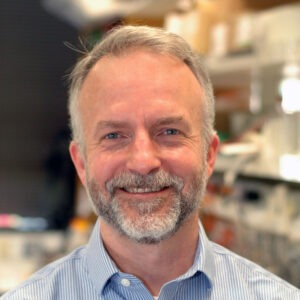
Professor, Department of Molecular Biology, UT Southwestern Medical Center
Candidacy Statement
I would be honored to serve as vice president of the Genetics Society of America (GSA). The Society has provided me with a home throughout my academic career and continues to serve as a positive force in our collective scientific communities. I joined GSA in 1998 as a graduate student in Lynn Cooley’s laboratory at Yale University. I still remember attending my very first Annual Drosophila Research Conference as a naïve and somewhat intimidated graduate student. I was completely overwhelmed by the number of posters and talks, but I was fortunate enough to meet some really great people, including other students, postdocs, and even a couple of PIs. Many of the colleagues I met at that first meeting have continued to help me through the various stages of my career. I remain truly grateful for the support I have received through GSA and I hope to contribute to the Society’s important mission.
Following postdoctoral training with Allan Spradling, I established my laboratory at UT Southwestern Medical Center, where I am currently professor of molecular biology and associate director in the Hamon Center for Regenerative Science and Medicine. My lab studies germ cell development, ribosome biogenesis, and mRNA translation across aging and disease. Working on model organism genetics and translational biomedical science has reinforced my conviction that curiosity-driven genetics is an indispensable foundation for biological discovery.
My service within GSA has given me a deep understanding of the Society’s finances, publishing ecosystem, and membership needs.
As GSA treasurer from 2020 to 2022, I served on the Board of Directors and navigated the Society’s finances through the severe disruptions of the pandemic. I worked to balance fiscal health with member accessibility, ensuring GSA remained stable while protecting core member benefits. Serving on the Executive Committee gave me an in-depth exposure to the operations of GSA and how the Society can have a truly positive impact on its members.
As the current chair of the GSA Publications Committee and ex officio member of the Executive Committee, I advise the Editors-in-Chief of GENETICS and G3: Genes|Genomes|Genetics. I am committed to preserving Society-run, author-centric journals that provide rigorous, fair, and efficient peer review amid a rapidly shifting publishing landscape.
I chaired the 2019 Annual Drosophila Research Conference, served on the GSA Awards Committee and Larry Sandler Award Selection Committee, and currently serve on the Scientific Advisory Board for the Bloomington Drosophila Stock Center. These roles have underscored the vital importance of community-maintained infrastructure and meeting venues for scientific exchange.
If elected vice president, I will work with the Board, staff, and our global membership to promote the health of all the diverse groups served by GSA, including the fly, worm, yeast, fungal, and population, evolutionary, and quantitative genetics communities. I hope to focus on four priorities:
- Protecting core infrastructure and basic research advocacy: Basic research and shared community resources such as stock centers, databases, and organism-specific meetings are increasingly under pressure. I will advocate for sustained support for fundamental genetics and provide members with tools to communicate the real-world value of curiosity-driven science to funders and the public.
- Sustaining author-first, Society-led publishing: GENETICS and G3 are vital assets of our community. I will ensure they remain top-tier homes for rigorous work across all organisms while adapting financially to modern publishing models without placing undue cost burdens on authors.
- Expanding career pathways for trainees: GSA must support early-career researchers at every step. I will work to expand structured mentorship, high-visibility presentation slots, and proactive career preparation for roles both within and outside academia.
- Broadening access and international participation: I will champion efforts to lower financial and geographical barriers to participation, in conferences, publishing, and other Society programs, and create new opportunities and clearer avenues for scientists from diverse backgrounds, smaller institutions, and international communities to engage and lead.
GSA has served as my intellectual home for nearly 30 years. I continue to be inspired by the science conducted by our communities and would welcome the opportunity to listen, learn, and serve a Society that has contributed so much to my scientific life.
Education
PhD in Biology — Yale University (2002)
BS in Biology/English — Tufts University (1994)
Research Interests
My lab has a long-standing interest in germ cell biology and the roles of ribosome biogenesis and mRNA translation in development and disease. We use a variety of genetic, molecular, biochemical, and live-cell imaging methods to address our research questions. Projects in the lab generally start with genetic screens to identify mutants of interest, followed by detailed molecular analyses and genetic structure–function studies. We have also become experts in different techniques for analyzing ribosome assembly and function, including sucrose gradient fractionation, polysome analysis, and ribosome pull-downs. We have also developed several innovative tools, including the Ribo-SNAP platform, which allows us to assay ongoing ribosome biogenesis at single-cell resolution in living human cells, and in fly and mouse models in vivo.
This work has led to the discovery that ribosome biogenesis and the global regulation of protein synthesis influence cell differentiation in a range of contexts, including the Drosophila germline, human brain development, and cancer. We have used this platform to screen small-molecule libraries and have identified specific molecules that inhibit different steps in the ribosome biogenesis pathway. In the future, we will use genetic approaches to identify new mechanisms that control ribosome production, function, and turnover during development, in extremophiles, and during different stress conditions using flies, mice, and human cells as models.
Director Candidates
A. Gregory Matera
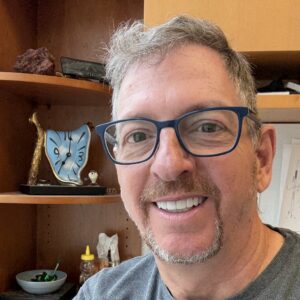
Director, Integrative Program for Biological and Genome Sciences, School of Medicine, University of North Carolina at Chapel Hill
Candidacy statement
As a longtime member of the Genetics Society of America, I feel as if GSA is in many ways my scientific home-away-from-home. The Annual Drosophila Research Conference has long been a regular venue for my lab, and GENETICS and G3: Genes|Genomes|Genetics have become natural homes for our work on histone genetics, chromatin, and RNA biology. Having worked in multiple different areas of biology over the past 35 years, I feel that I bring a broad and omnivorous perspective. That work has included shifts from physical chemistry to molecular genetics, and from cell lines to mice and then to fruit flies. I’m very excited at the prospect of helping our current and future GSA members achieve their scientific and professional goals.
The importance of basic science too often gets lost in the public perception, and the current funding climate has made that gap painfully concrete. One of my own fields of study offers a vivid counterexample. The first approved therapy for spinal muscular atrophy acts by redirecting pre-mRNA splicing in vivo. The current therapies were built on decades of curiosity-driven research into the spliceosome and on model organism genetics, much of it pursued with no therapeutic goal in mind. That is the story we need to keep telling. We must continue to promote foundational research through advocacy and community outreach, including efforts that inform legislators and policymakers. We should embrace the integrative complexity of our science without losing sight of the value of reductionist approaches. For this reason, I also feel we need to maintain strong Society journals, run by practicing scientists, as the publishing landscape continues to shift. As a member of the Board, I would also work to strengthen the Society’s fiscal footing by seeking greater support from the RNA and biopharma industries, which depend on the foundational discoveries our members make. I would also work to better connect our regional and international Society activities. In an ever-changing research landscape, the path to continued success lies in our diversity of people, techniques, ideas, and models.
I would bring considerable governance and leadership experience to the Board. I served a two-year elected term on the Board of Directors of the RNA Society (2019–2020), followed by a year on its Council. That work gave me firsthand experience with the financial, publishing, and conference challenges that scientific societies now face. At the University of North Carolina I direct the Integrative Program for Biological and Genome Sciences, an interdisciplinary unit whose faculty span the College of Arts and Sciences and the School of Medicine. Earlier, I directed the Graduate Program in Genetics at Case Western Reserve University. I have reviewed for the NIH for nearly three decades, often serving as chair or co-chair of study sections. I have also served as an associate editor for multiple journals, including MBoC, RNA Biology, and Chromosoma/Chromosome Research. I am a co-organizer of the biennial Nuclear Bodies meeting and have chaired sessions at the GSA Annual Drosophila Research Conference. Above all, I care about training. I have mentored more than 48 undergraduates, 22 graduate students, and 17 postdoctoral fellows who now hold positions across research universities, liberal arts colleges, and industry. I would be honored to put these experiences to work for the GSA community.
Education
PhD in Biophysical Chemistry (1990) — University of California, Davis
BA in Chemistry and Molecular, Cellular & Developmental Biology (1984) — University of Colorado at Boulder
Research interests
Our laboratory studies genetic and epigenetic mechanisms that control information transfer and cellular memory in metazoans. Much of our current work centers on histone post-translational modifications (PTMs). In collaboration with colleagues at the University of North Carolina, we developed a Drosophila genetic platform in which the endogenous replication-dependent histone genes are replaced with engineered transgenes. This platform allows us, for the first time in any multicellular eukaryote, to directly determine the extent to which a given histone residue or PTM contributes to cell fate and development. We combine this system with genetic and genomic approaches to ask how specific histone marks shape transcription, pre-mRNA processing, and genome function. Crucially, by comparing histone mutants with those of the corresponding modifying enzymes, we can distinguish the roles of a modification from other functions of its writers. A second, longstanding interest concerns the biogenesis of small ribonucleoproteins, particularly the Survival Motor Neuron (SMN) complex that assembles spliceosomal snRNPs. Using animal models of spinal muscular atrophy, we investigate the molecular functions of SMN and how their loss disrupts neuromuscular development.
Cathy Savage Dunn
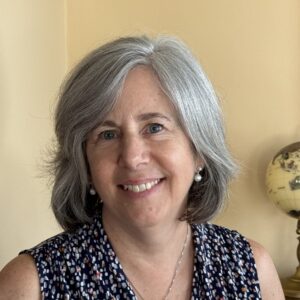
Professor, Department of Biology, Queens College and The Graduate School and University Center, The City University of New York
Candidacy Statement
I consider the Genetics Society of America my home Society and would be honored to serve the genetics community as a member of the Board of Directors. As a trainee, I participated in GSA for the conferences and premier journals (first GENETICS and then G3: Genes|Genomes|Genetics). As a PI, I co-organized the 25th International Worm Meeting. I appreciate the critical role that GSA plays in supporting the community and society at large, and I am eager to play a more active role in that mission. We are all aware of the uncertainty facing federal and public support of basic research. I want to contribute to provide stability and leadership, particularly for students, trainees, early career scientists, and others with marginalized identities whose career trajectories are most fragile. If elected, I will work to sustain and advance GSA’s career development programs, conferences, journals, outreach, and advocacy. In all areas, I will advocate for and amplify voices of constituents who might otherwise go unrecognized.
#IAmGSA” was a social media campaign in 2016 that I embraced with my lab group. Genetics has been the core thread through my scientific career. My PhD advisor Martin Chalfie (of GFP fame and now Nobel Laureate) introduced me to the awesome power of genetics in C. elegans. As a postdoc, I worked in a lab where both worms and flies were used to elucidate TGFβ signaling mechanisms. In my own lab at Queens College, City University of New York (CUNY), we continue to study TGF-β signaling in C. elegans. Over the course of my career, I have taken on many leadership roles at my institution and in the scientific community, particularly focusing on professional development of students and early career scientists. For example, I served as graduate deputy chair, the Queens College advisor and liaison to the consortial CUNY PhD Program in Biology, and then as the executive officer for the CUNY PhD Program in Biology, directing a program spanning four subprograms and eight different campuses. I was also chair of the Department of Biology at Queens College and served on the campus-wide tenure and promotion review committee.
In addition to co-organizing the 2025 Worm Meeting, I have served GSA in several capacities, including the GSA Public Communication and Engagement Committee, the GSA Conferences Committee, and the GSA virtual Hill Day. In all of these roles, I am highly appreciative of the incredible GSA leadership and staff who make this important work possible. If given the opportunity, I would be delighted to continue this trajectory and bring my energy and perspectives to supporting GSA as a member of the Board of Directors.
Education
PhD in Molecular and Cell Biology — Columbia University (1992)
BS/MS in Molecular Biophysics and Biochemistry — Yale University (1985)
Research Interests
My research group focuses on understanding the mechanisms of Transforming Growth Factor beta (TGF-β) signaling, with emphasis on the bone morphogenetic protein (BMP) family of ligands. The TGF-β signaling cascade is a conserved multifunctional pathway across metazoans; thus, elucidating how TGF-β signaling is regulated and executes its biological functions is relevant to numerous normal and pathological contexts. We capitalize on the strengths of the nematode C. elegans as a model in which to study fundamental biological processes of high relevance to human health, incorporating classical and cutting-edge genetic techniques with live imaging and multi-omics approaches. As a postdoctoral fellow, I co-discovered Smad proteins, key signal transducers, and transcriptional regulators of TGF-β signaling. As a PI, I have led my laboratory to produce a strong record of impactful and innovative research on the mechanisms of body size regulation, lipid metabolism, and most recently host-pathogen response. Key findings from my lab include: the identification of cuticle collagens as downstream mediators and upstream regulators of DBL-1/BMP body size control; the discovery of signaling crosstalk between BMP and insulin pathways in lipid homeostasis; and the elucidation of cross-subfamily BMP-Activin interactions in the organism’s response to bacterial pathogens. In my laboratory, I seek to incorporate trainees at a variety of levels, including high school students, undergraduates, postbacs, master’s students, doctoral students, and postdocs, and give them the opportunity to achieve their potential and make meaningful contributions to discovery and dissemination of knowledge.
Barak Cohen
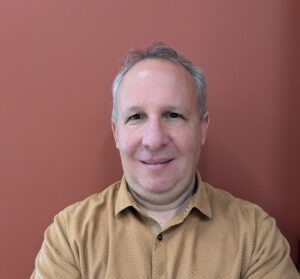
Alvin Goldfarb Distinguished Professor of Computational Biology, Department of Genetics, Washington University of St. Louis School of Medicine
Candidacy Statement
I have always been fascinated by the natural world, but it was not until I took genetics in college that I began to imagine research as a career. Genetics problems were little logic puzzles whose solutions required both specialized knowledge and a leap of intuition. I was hooked. I began reading the history of our field and encountered a succession of people who seemed impossibly clever: How had they (correctly) inferred so much from so little? There is still something magical about the practice of genetics, where the precise shade of a fly’s eye can reveal something about the molecular dynamics of chromatin. One of our most important responsibilities as geneticists is to ignite that same spark in the next generation.
Before confronting the litany of challenges facing our field, however, let’s state the obvious: This is a great time to be a geneticist! As a graduate student, I remember walking the halls while everyone was slogging away mapping a gene. And the reward for finally mapping it? You got to spend the next six months sequencing it, 150 base pairs at a time. No more. They’re all mapped. They’re all sequenced. Today we have technologies at our fingertips that would have seemed like science fiction only a generation ago, and increasingly we are limited less by what we can do than by what we can imagine. Amid all the uncertainty surrounding science, we should not lose sight of this extraordinary fact. I repeat, this is a great time to be in genetics.
The question is, how do we sustain that excitement for the next generation? Lunchroom conversations today inevitably turn to diminishing career prospects, turmoil at our funding agencies, declining public trust in science, and a world in which facts increasingly appear negotiable. These challenges are real, and keeping our trainees optimistic can feel like a second full-time job. Yet, when I talk with a trainee about what is happening on her bench or his computer, that spark of curiosity is almost always still there. What we study is simply too fascinating for it not to be. I am running for the GSA Board of Directors because I believe our Society must vigorously advocate for our discipline and the people who practice it, while also reminding ourselves and the world why genetics matters and why doing genetics is so exhilarating. We need to shout “over the roofs of the world” about the remarkable things happening every day in our labs and make sure the next generation has both the opportunity and the desire to keep discovering them.
Education
PhD in Genetics — Harvard University (2001)
MS — Harvard University (1998)
BS — Cornell University (1992)
Research Interests
I run a lab focused on how combinations of cis-regulatory elements specify gene regulation. Deciphering the “cis-regulatory code” has been my primary interest since my post-doctoral studies. I have consistently adopted and helped develop the most recent experimental and computational tools to unravel this code. My lab has developed a synthetic library approach along with an accompanying thermodynamic model into powerful tools for studying cis-regulation. My group has also developed several variations of massively parallel reporter gene assays (MPRA) for testing enhancer activity on unprecedented scales. Concurrently, we are developing computational frameworks based on Deep Learning for analyzing MPRA data. While the approaches I have taken have spanned several disciplines, my core interest remains understanding how the cell “computes” specific gene expression patterns from the information encoded in DNA sequence of cis-regulatory elements.
Robert Unckless
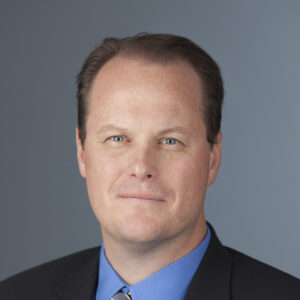
Professor, Department of Molecular Biosciences, Director of the KU Center for Genomics, University of Kansas
Candidacy Statement
I attended my first Annual Drosophila Research Conference in Washington, DC in 2010. As I finished my PhD, I knew that I wanted to focus more on evolutionary and molecular genetics, so I attended the meeting to search for postdoc opportunities and meet potential mentors. I initially found the meeting daunting: hundreds of researchers spanning an incredible breadth of subjects and I knew almost nobody. However, almost immediately, I was welcomed and made connections that persist today. The Fly meeting quickly became my priority meeting, and I’ve only missed one since. The Genetics Society of America (GSA) has fostered a supportive, diverse, and nurturing community. For me, this started with the Annual Drosophila Research Conference, but I’ve witnessed similar dynamics with the communities associated with other GSA groups. In fact, I had the privilege of being the lead organizer of the 2026 Population, Evolutionary, and Quantitative Genetics Conference (PEQG) at Asilomar which had record abstract submissions since the meeting started in 2016 with TAGC and as a standalone in 2018. I started a faculty position at the University of Kansas in 2016 and am currently a professor in the Department of Molecular Biosciences and founding director of the KU Center for Genomics. I am running for a position on the GSA Board of Directors because I would like to give back to the community that meant so much as I was starting my professional journey. I hope to contribute in several ways but will highlight three.
First, GSA has been a leader in working to create broader participation in the scientific community. As academic institutions face growing restrictions on efforts to broaden participation in science, the Society is well positioned to lead these efforts in the U.S. and around the world. I will work to keep this a major priority for GSA. Second, the pace of technical and computational advancement in genetics and genomics research is dizzying and it has become difficult to keep up with the newest approaches. I will work with GSA to provide opportunities for researchers to keep up with these technologies through career development programs, online events, and by offering more workshops during GSA Conferences. As the lead organizer for PEQG 2026, I helped initiate two such workshops: pangenomes and population genetic simulation. Finally, I will work with editors at G3: Genes|Genomes|Genetics and GENETICS to ensure that these journals remain the flagship journals in the field by facilitating special issues, anticipating and reacting to changes in publishing models, and ensuring connections between meeting attendees and the GSA Journals so that Society members’ best work continues to be published in GENETICS and G3.
The GSA Board continues to need strong leaders who are community-oriented, strategic, and creative thinkers, as well as being aware of the financial realities of the Society and the field. I believe that my leadership experiences make me a good candidate for the position: founding and serving as Director of the University of Kansas Center for Genomics, involvement in meeting planning—including PEQG 2026, and involvement in my department’s strategic planning committee.
Education
PhD in Biology — University of Rochester (2011)
MS in Biology — University of Rochester (2008)
MS in Biology — State University of New York, College at Brockport (2005)
MS in Science Education — Cornell University (1999)
BS in Education — Cornell University (1997)
Research Interests
Organisms face a constant barrage of challenges from both external (competitors, parasites, pathogens, etc.) and internal (selfish genetic elements) sources. My lab aims to understand the genetic, genomic, and evolutionary causes and consequences of these challenges. We mostly focus on Drosophila, using both the genetic workhorse D. melanogaster and a more diverse set of species with specific and interesting biological challenges. Our work spans ecological to genomic to molecular genetic approaches and often includes population genetic theory. The current projects in the lab include dissecting the genetic basis of sex-ratio meiotic drive, studying divergence in immune defense between species, and developing a model to study host/DNA virus interaction. We often target GENETICS and G3: Genes|Genomes|Genetics for publication of our work. Our work has been funded by both the National Science Foundation and the National Institutes of Health.
SaraH Zanders
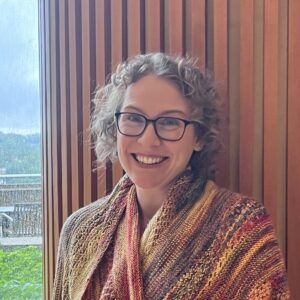
Associate Investigator, Stowers Institute for Medical Research; Vice Dean, Graduate School of the Stowers Institute for Medical Research; Associate Professor, Department of Cell Biology and Physiology, University of Kansas School of Medicine
Candidacy Statement
I am running for a position on the Genetics Society of America Board of Directors because the organization’s priorities and initiatives reflect my professional goals and personal values. The last few years have brought rapid changes to science policies and funding within the United States that have impacted scientists globally. During this time, I have been heartened by GSA’s advocacy for policies and funding allocations that recognize the importance of scientific research. I have been particularly inspired by the exceptional persistence of GSA’s commitment to equity, inclusion, and support for all geneticists. I feel a strong pull to give back to the community that has shaped and supported my personal passion for genetics and would be honored to serve GSA.
My career began with a note taped to my final genetics exam at the University of Iowa. The note was from my professor (Bob Malone) and was an invitation to try my hand at genetics research in his lab. I accepted the invitation and fell in love with meiosis through performing my own experiments and through reading the work of others, much of which was published in GENETICS. I was blessed with additional great mentors (Eric Alani, Harmit Malik, and Gerry Smith) and continued to use genetics to study meiosis as a graduate student and postdoc, and will continue to do so in my own lab for the foreseeable future. GSA has been a constant source of education and support for me and my trainees through conferences, publications in GENETICSand G3: Genes|Genomes|Genetics, professional development opportunities, and job postings.
Bob’s note is now framed in my office and I cannot look at it (or write about it) without tearing up. The note reminds me to be thankful for the amazing opportunities I have been given, and that the most important part of my job is training and mentoring others. I strive to achieve this within my own lab and within the Stowers Graduate School where I co-teach genetics and serve as vice dean. As part of my administrative role, I direct the Stowers Scholars undergraduate summer research program and help connect local undergraduate students with research opportunities during the school year. I also serve as a member of the Science Advisory Board of Rockhurst University. If elected to the Board of Directors, I think my administrative and leadership experiences would be helpful in supporting and advancing GSA priorities and extending GSA’s legacy of excellence.
Education
PhD in Genetics and Development — Cornell University (2010)
BS in Biology — University of Iowa (2005)
Research Interests
I am broadly interested in how chromosomes are transmitted at cell division with a focus on sexual reproduction. Part of my lab studies “good guys,” or genes that facilitate sexual reproduction and thereby promote fitness. We use genetic screens to identify novel genes that enable fruitful sex. Another part of my lab studies the selfish wtf genes, a family of “bad guys.” The wtf genes are killer meiotic drivers that gain an unfair transmission advantage by killing the meiotic products that do not inherit them from a heterozygote. We mostly use fission yeast species for our studies and rely heavily on genetics, imaging, and molecular evolution approaches.
Kirsten Nielsen
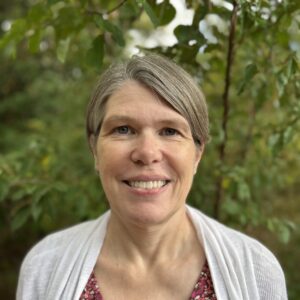
Professor, Microbiology and Immunology, Virginia-Maryland College of Veterinary Medicine, Virginia Tech University
Candidacy Statement
It is a great honor to be considered for the Genetics Society of America Board of Directors. I have been a GSA member since 1997 when I was just a young PhD candidate and have attended the Fungal Genetics Conference almost continuously for the past 30 years. During this time, I’ve witnessed dramatic changes in our genetics toolbox including rapid and relatively cheap whole-genome sequencing, CRISPR technology adaptation to allow genetic manipulation of diverse organisms, the rise of single-cell sequencing, and now the beginning of the AI revolution.
GSA has embraced all these changes and actively develops the next generation of geneticists to continue the proud history of our field. Moving forward, GSA needs to play a central role in advocating for our community through strong journals, activism at the national and international levels, and career development initiatives. GSA has a strong track record and my goal as a Board member is to continue and expand these efforts. Specifically, I would work to promote inclusion, enhance networking opportunities, and facilitate mentoring and training for students, postdocs, and early career investigators. I have extensive experience and commitment to mentorship and service that I believe positions me to be a productive member of the Board of Directors and I look forward to the opportunity to support and enhance GSA.
Education
PhD in Botany and Plant Pathology (2002) — North Carolina State University
BS in Biochemistry (1996) — Purdue University
Research Interests
Our studies focus on the yeast pathogen Cryptococcus neoformans. Research in the lab focuses on several aspects of Cryptococcus fungal biology, including “titan” cell biology, host-pathogen interactions, immunology, and antifungal drug development. We employ a variety of disciplines and techniques to answer our research questions, including genetics, bioinformatics, cellular and molecular biology, and immunology.