Genetics Society of America


Early Career Scientist Policy and Advocacy Subcommittee
The Policy and Advocacy Subcommittee aims to provide an interdisciplinary opportunity for early career scientists interested in developing their skills in science policy and advocacy through workshops, career informational interviews, and networking events.
Learn more about the Early Career Leadership Program.
Advisors:
- Adrienne Hallett, advisor, Coalition for Life Sciences
- Elyse Hope, advisor, Science Philanthropy Alliance
- Nick Rhind, advisor, UMass Med School
Goals:
- Explore current policies and their implications for graduate and postdoctoral training, research funding, and the advancement of the scientific enterprise.
- Communicate with Society members, government representatives, and other scientists.
Ongoing Projects:
- Contribute to the ECS Weekly newsletter for early career scientists.
- Curate list of policy fellowship and training opportunities.
- Conduct policy interviews for publication to the GSA Genes to Genomes blog.
- Propose and organize virtual Hill Day events.
Current Members:

Angelica Previero
Co-Chair

Cameron Bennett
Co-chair

Bahaar Chawla
Member

Pavithra Venkataraman
Member

Sarah Ruttenberg
Member

Featured Project
Policy Fellowship Database
The Policy Subcommittee developed and curates this unique database to increase the accessibility of policy careers to scientists. The database includes a wide range of training opportunities in science policy and allows users to filter by required education, location, compensation, application deadline, and other features, making it easier to find opportunities that fit the unique needs of each applicant.
As part of this effort, the committee also interviews program officers and former fellows about the application process and fellowship experience from a variety of programs, publishing this valuable information in the “Inside View” blog post series.
Join an ECS Committee
Are you an early career scientist member of GSA? Apply for an ECS Committee to help shape the future of the GSA community and make your voice—and the voices of others like you—heard.
Learn more about Early Career Leadership at GSA
Early Career Scientist Leadership Program
Students, postdocs, and other early career scientists (ECS) are the future of the GSA community. To strengthen their voice in the Society, GSA developed the Early Career Scientist leadership and professional development program. This program provides rich opportunities for early career scientists to develop skills, gain leadership experience, network, and produce concrete deliverables that demonstrate their abilities.
GENETICS Peer Review Training Program
Peer-reviewers are vital to science, yet early career scientists in our field rarely receive formal training in how to be a good reviewer. GSA and GENETICS are addressing this gap with a program that gives early career members real-world peer review experience. Participants will receive online training, advice from GENETICS editors, and will become reviewers for manuscripts submitted to the journal.
Read the latest on Policy Fellowships on Genes to Genomes.

Why scientists’ voices matter in Congress: A conversation with Adriana Bankston on the importance of federal research advocacy
Adriana Bankston, a former AAAS-ASGCT Congressional Policy Fellow in the U.S. House of Representatives*, shares how she used her background as a scientist to shape policy during uncertain times. She explains why advocacy matters at...
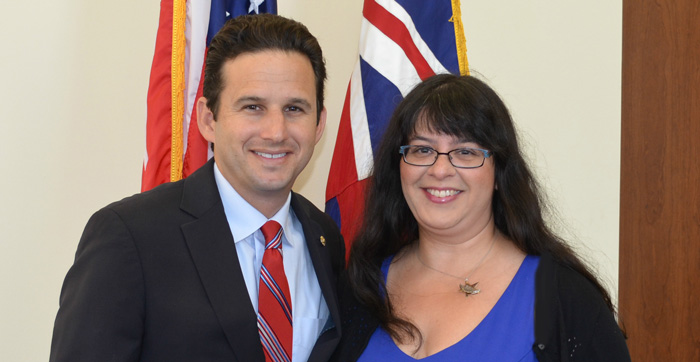
AAAS Science & Technology Policy Fellowship: An Inside View of Congressional Science and Engineering Fellowships
This post is part of the Early Career Scientist Policy Subcommittee’s series on science policy fellowships. You can also search for fellowship opportunities in the GSA Policy Fellowship Database. AAAS Science & Technology Policy Fellowships (STPF)...
The American Physiological Society Early Career Advocacy Fellowship: an inside view
This post is part of the Early Career Scientist Policy Subcommittee’s series on science policy fellowships. The Early Career Advocacy Fellowship (ECAF) is a two-year program to engage early career scientists (ECS) in advocacy activities...