Genetics Society of America

We are an international community of biologists advancing the field of genetics.
Become a MemberNews & Events

Conferences
GSA conferences foster collaboration, resource development, and the spread of technology and ideas.

Publications
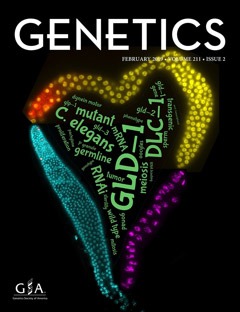
Our peer-reviewed journals GENETICS and G3: Genes|Genomes|Genetics publish high-quality, original genetics research across the breadth of the field.
Career Development
GSA professional development programs provide rich opportunities for scientists to gain skills and experience.
Come to a conference!
Find and post jobs.
Jobseekers:
Looking for a job, postdoc, studentship, or internship? Post a resume, apply for jobs, and sign up for job alerts!
Employers:
Reach a broad range of biologists at all career stages and from all sectors. Postdoc and student positions can be posted free of charge.
Latest job postings:
- Assistant or Associate Professor, Medical and Cancer Genetics | Fred Hutchinson Cancer Center
- Medical Geneticist - Sioux Falls, SD | Avera
- Postdoctoral Translational Genomic Sciences Fellowship | Cleveland Clinic
- Postdoctoral Fellowship in Statistical Genetics and Genomics | Brigham and Women's Hospital, Harvard Medical School
- Division Chief of Genetics & Metabolism | University of Wisconsin-Madison, Department of Pediatrics
Read the latest.

Genetic model turns routine mating into a visible injury model
A new model of copulatory wounding in Drosophila melanogaster offers a genetic tool to study sexual conflict.

Genomic Prediction: Submissions welcome in G3
As Genomic Prediction continues to gain momentum, we’re looking for impactful research to publish. Could your work be the next scientific breakthrough?

GENETICS and G3 welcome new editors
We’re excited to welcome new editors to the GENETICS and G3 editorial boards.

Get the benefits of membership.
- Discounted conferences fees
- Reduced journal publication charges
- Individual GENETICS subscription
- Eligibility for travel grants and awards
- Access to professional development programs and resources
Join our community of nearly 6,000 researchers from all career stages and more than 50 countries.
It was critical that GSA was so willing to put their faith in us. Many people didn’t initially have a lot of confidence that a group of postdocs could organize a new event of this scale.
Learn more